


In Western Cameroon, where royal traditions and spiritual beliefs have long shaped relationships between people and wildlife, conservationists and researchers are increasingly turning to literature, cultural dialogue and participatory futures thinking to address the growing threat facing some of the country’s most symbolically important animal species.
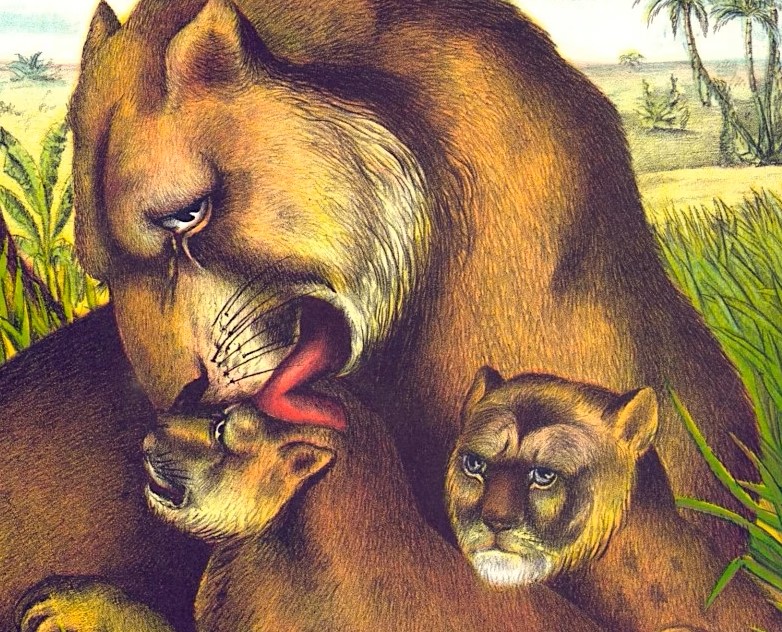 Across the grasslands and highlands of Cameroon’s indigenous kingdoms, known locally as fondoms, animals such as leopards, buffaloes, elephants, porcupines and the endangered Bannerman’s turaco occupy a unique place within traditional authority systems. Their feathers, skins and body parts are often associated with kingship, ceremonial honours and social prestige. Yet some of the same customs that elevate these species culturally have also contributed to their decline, particularly where traditional expectations require the killing of rare animals as tributes to royal institutions.
Most of these species are now either critically endangered or locally extinct in parts of Cameroon, reflecting wider biodiversity pressures across the Congo Basin, one of the world’s most ecologically significant but increasingly threatened ecosystems. According to the International Union for Conservation of Nature (IUCN), several of the animals regarded as sacred or royal within Cameroonian cultural systems are listed as vulnerable or endangered due to habitat loss, hunting and environmental degradation.
The challenge highlights a broader dilemma confronting many African conservation efforts: how to balance cultural heritage, ecological preservation and economic survival within rapidly changing social and environmental conditions.
Researchers working across environmental humanities, sustainability science and futures studies argue that conservation policy alone may not be enough to reverse biodiversity decline if local cultural narratives and community participation are excluded from the process. In Cameroon, this has led to growing interest in using literature and storytelling as tools for reshaping public attitudes toward endangered wildlife.
Recent studies examining works by anglophone Cameroonian writers including Athanasius Nsahlai, Kenjo Jumbam and John Nkengasong suggest literary narratives can challenge environmentally harmful traditions while preserving respect for indigenous cultural identity. Through fiction, poetry and oral storytelling traditions, writers are increasingly presenting alternative relationships between communities and wildlife, framing conservation not as a rejection of culture but as its adaptation.
One frequently cited example is Kenjo Jumbam’s novella Lukong and the Leopard, which reimagines royal customs surrounding wild animals. In the story, a captured lion is ultimately spared rather than killed, subtly challenging historical practices that treated rare predators as ceremonial trophies. Scholars involved in the research argue that such narratives can influence how younger generations interpret cultural obligations in an era of ecological collapse.
The approach forms part of a broader framework known as participatory foresight, which combines storytelling, policy dialogue and future scenario planning. In Yaoundé, researchers recently organized workshops bringing together teachers, environmentalists, indigenous rulers, journalists, students, artists and policymakers to explore future pathways for biodiversity protection in the Congo Basin.
Participants examined how climate change, deforestation, population growth and traditional hunting practices could affect sacred and royal animals over coming decades. The discussions also explored possible alternatives, including controlled breeding programmes, ecotourism initiatives, stronger environmental regulation and the use of artificial animal materials in traditional ceremonies.
According to researchers involved in the initiative, the workshops aimed to bridge the gap between environmental legislation and local practice. Cameroon already has biodiversity protection laws, but implementation remains inconsistent due to weak enforcement capacity, limited funding and competing economic pressures on rural communities.
The issue carries wider implications beyond conservation alone. The Congo Basin contains one of the world’s largest tropical forests and plays a critical role in global carbon absorption, rainfall regulation and climate stability. Biodiversity loss within the region therefore has direct consequences for agriculture, water systems, food security and rural livelihoods across Central Africa.
Environmental economists increasingly argue that protecting ecosystems and wildlife also carries long-term economic value through sustainable tourism, ecosystem services and climate finance opportunities. Countries across Africa are exploring ways to align conservation efforts with economic development goals, particularly as international climate funding mechanisms place greater emphasis on biodiversity preservation and indigenous knowledge systems.
In Cameroon, some researchers believe sacred animal conservation could eventually support local ecotourism industries if managed carefully in partnership with traditional authorities and local communities. However, they caution that such efforts require institutional trust, sustained funding and policy continuity to succeed.
The debate also reflects a wider shift within African environmental governance, where policymakers and academics are increasingly moving away from externally imposed conservation models toward approaches that incorporate local culture, indigenous governance structures and community-led decision-making.
For many participants in the Yaoundé workshops, the central question was not whether tradition should survive, but whether cultural systems can evolve fast enough to prevent irreversible biodiversity loss.
 As pressures on the Congo Basin intensify from climate change, land degradation and expanding human activity, conservationists warn that the survival of many sacred species may depend less on formal legislation alone and more on whether communities can redefine the meaning of stewardship within changing ecological realities.
In that sense, the future of Cameroon’s royal animals may ultimately rest as much in stories, education and public imagination as in protected forests and environmental policy documents.


