



As Muslims across Nigeria prepare for Eid al-Adha this week, rising inflation, transport costs and weakening household purchasing power are forcing many families to scale back long-standing traditions, reflecting the wider economic strain facing Africa’s largest economy.
 In Abuja, traders, teachers and workers say the annual religious celebration, widely known locally as Sallah, is becoming increasingly difficult to afford as food prices, fuel costs and livestock expenses continue to rise faster than incomes. The changes are reshaping not only household spending patterns but also the informal economic networks that depend heavily on seasonal religious festivities.
At Nurul Bayan Islamic School in the Nigerian capital, Islamic teacher Yunus Akanji said he had abandoned plans to travel with his family to Oyo State for the holiday, a journey he has made for years to reunite with relatives. He also ruled out purchasing a ram for sacrifice, a central part of Eid celebrations for many Muslim households.
I have concluded that we will just celebrate with whatever we have,” he said.
Nigeria has faced prolonged inflationary pressure following fuel subsidy reforms, currency depreciation and rising transportation costs that have filtered through nearly every sector of the economy. While authorities argue that reforms are necessary to stabilize public finances and attract investment, households across urban and rural areas continue to face a steep rise in the cost of living.
According to economists, the pressure is particularly visible during festive periods, when seasonal demand exposes the widening gap between incomes and consumer prices. Eid al-Adha traditionally stimulates economic activity across livestock markets, transport services, tailoring businesses and food supply chains. This year, however, traders say consumer demand has weakened significantly.
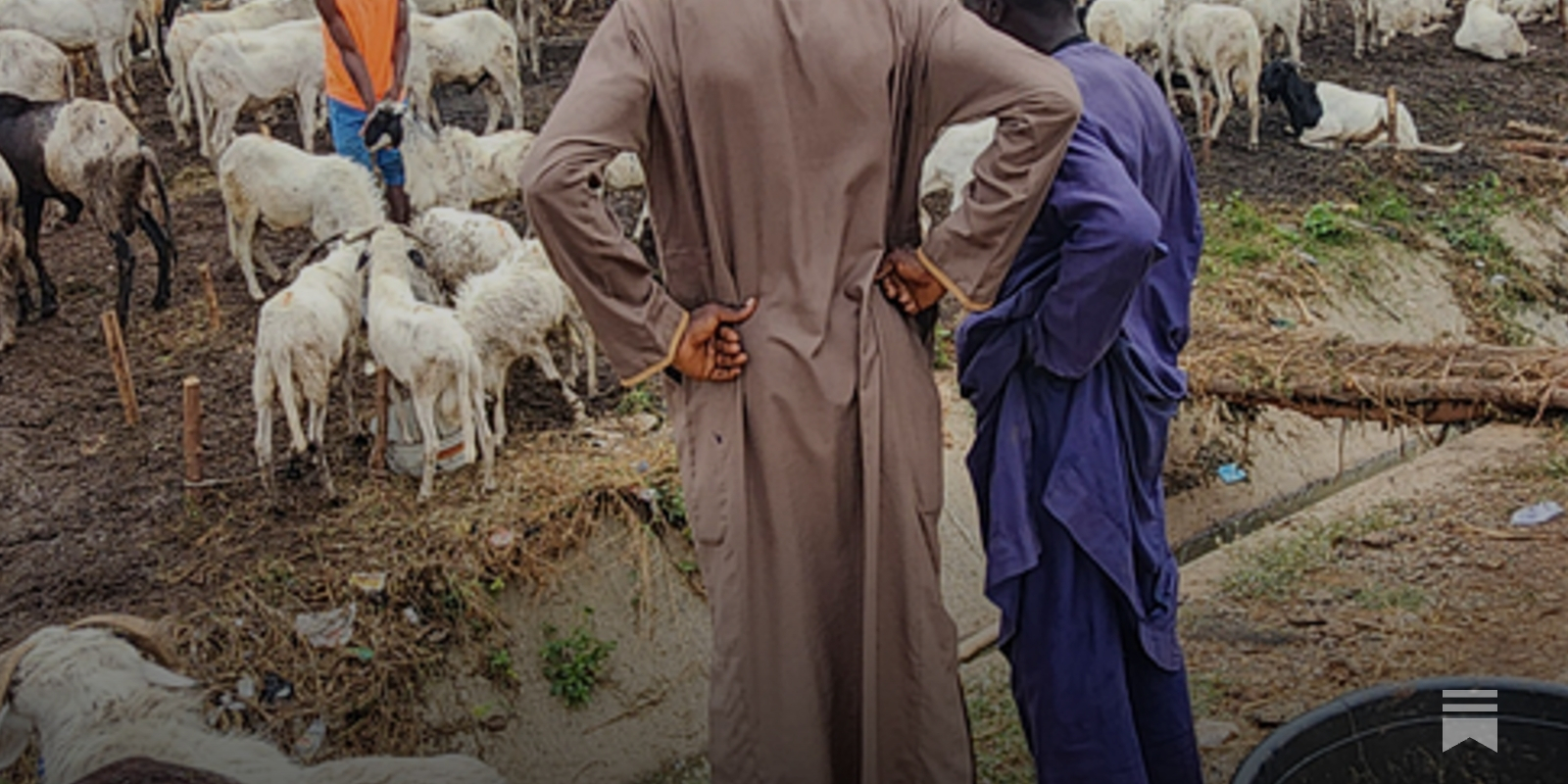
In Kubwa livestock market on the outskirts of Abuja, livestock sellers described slower sales despite the approach of the holiday. Buyers walked between rows of rams and cattle, often asking for prices before leaving without making purchases.
Malam Ibrahim, a trader who sources livestock from northern states including Sokoto and Kaduna, said transportation and logistics costs had sharply increased the price of animals. A ram selling for about 600,000 naira this year would have cost below 350,000 naira during the same period last year, he said.
Fuel costs remain a major factor driving price increases across Nigeria’s domestic supply chains. Livestock transporters moving animals from northern production zones to southern and central consumer markets now face significantly higher operating expenses, with insecurity along some transport corridors also adding to logistical costs.
Read also: https://www.aljazeera.com/news/2026/5/26/cost-of-living-crisis-reshapes-eid-spending-in-nigeria
The impact is extending beyond livestock markets. Fashion designer Opeyemi Ibrahim, who operates a tailoring business in Abuja’s Byazhin district, said reduced customer spending and unreliable electricity supply were eroding business activity ahead of what is normally one of the busiest periods of the year.
When there is no electricity, we have to run the generator,” he said, noting that higher fuel costs have increased operating expenses for small businesses already struggling with weaker consumer demand.
Nigeria’s broader inflation challenge has increasingly become a social and economic issue with implications for food security, informal employment and household resilience. According to recent economic data, food inflation remains among the highest components of consumer price increases, affecting staple commodities and reducing disposable income for millions of families.
The effects are particularly severe in urban areas, where households depend heavily on purchased goods and transportation networks. Young workers and students are also adjusting plans. Nafisa Ibrahim, currently completing Nigeria’s National Youth Service Corps (NYSC) programme in Abuja, said she cancelled plans to travel home for Eid because transport fares had more than doubled since February.
Analysts say these shifts in consumer behaviour offer a broader indication of how inflationary pressures are altering social and economic patterns across Nigeria. Seasonal travel, religious celebrations and communal gatherings are closely tied to local commerce, informal trade and small enterprise activity. Reduced spending during key festive periods therefore carries implications not only for households but also for employment and cash circulation in local economies.
The situation also reflects wider fiscal and monetary pressures confronting African economies navigating currency volatility, debt servicing obligations and elevated import costs. Nigeria, despite being one of Africa’s largest oil producers, continues to struggle with foreign exchange shortages, energy infrastructure deficits and inflationary pass-through effects linked to global commodity markets.  At Kubwa village market, traders selling rice, tomatoes, onions and cooking oil said buyers were purchasing smaller quantities than in previous years. Several vendors described a shift from celebratory spending to basic affordability calculations.
We used to celebrate Eid with joy,” one trader said quietly. “Now we just calculate what we can afford.”
For policymakers, the challenge increasingly lies in balancing macroeconomic reforms with social stability and household welfare. Economists note that while fiscal adjustments may improve long-term economic sustainability, persistently high inflation risks weakening consumer confidence, reducing domestic demand and deepening financial pressure on low-income communities.
As Eid approaches, many Nigerian families are therefore entering the holiday season not with the usual expectations of celebration and reunion, but with cautious spending decisions shaped by an economy where essential costs continue to outpace incomes.


