


Governments must accelerate investment in electricity-based ironmaking technologies and expand access to affordable clean power if the steel industry is to reduce its dependence on coal, according to climate innovation think tank Future Cleantech Architects (FCA), which presented new policy recommendations at the COP31 climate conference in Antalya, Türkiye, on 16 November 2026.
The organisation is calling for industrial demonstrations of molten oxide electrolysis and electrowinning, two technologies that use electricity to convert iron ore into metallic iron without relying on hydrogen as the reducing agent. The proposals offer an alternative pathway for reducing emissions from ironmaking, the most carbon-intensive stage of conventional steel production.
Steelmaking accounts for approximately 7–8% of global greenhouse gas emissions, with the conversion of iron ore into iron responsible for an estimated 70–80% of emissions across the ore-based steel value chain. Conventional production relies heavily on coal-fired blast furnaces, which use coke both as a source of heat and as a chemical reducing agent to extract iron from ore.
FCA argues that replacing this process is essential to achieving deep emissions reductions in the sector. Its policy brief on decarbonising iron and steel examines the potential of direct electrification alongside hydrogen-based direct reduced iron (DRI) and electric arc furnace production. The organisation says governments should support a portfolio of technologies rather than extend the operating lives of existing coal-based assets without a credible transition plan.

One of the technologies highlighted is molten oxide electrolysis, which uses an electrically heated molten oxide bath operating at approximately 1,600°C. Electricity drives an electrochemical reaction that separates oxygen from iron ore, producing liquid iron. The process could eliminate the need for coke and avoid direct carbon dioxide emissions from the conventional chemical reduction process, provided the electricity supply is sufficiently low-carbon.
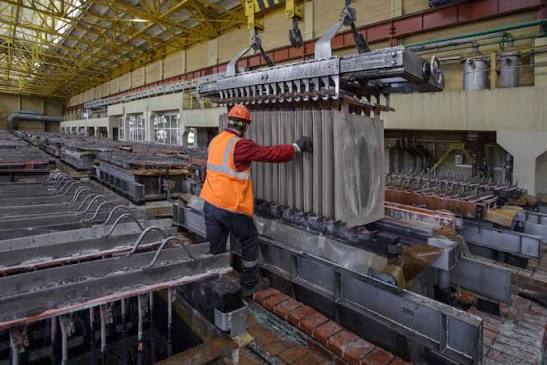
The second pathway, electrowinning, uses a water-based electrolyte to extract iron from ore through an electrochemical process, producing solid iron. Both technologies seek to change the chemistry of primary iron production rather than replace coal with another fuel or reducing agent.
FCA founder and Chief Executive Officer Dr Peter Schniering said governments should support manufacturers in adopting a wider range of clean technologies. He argued that hydrogen-based production could provide emissions reductions in the nearer term, while investment in all-electric ironmaking could help steelmakers move towards production independent of coal and gas after 2035.
The organisation’s policy brief identifies direct electrification as a promising longer-term pathway rather than an immediate substitute for existing blast furnaces. The technologies still require successful pilot projects, industrial demonstrations and further development before they can be deployed at commercial scale. Their ability to deliver near-zero direct emissions will also depend on the carbon intensity, reliability and cost of the electricity used.
FCA estimates that molten oxide electrolysis and electrowinning could achieve near-zero direct carbon dioxide emissions while avoiding the extensive hydrogen production, transportation and storage infrastructure required by hydrogen-based ironmaking. Although their total electricity requirements are broadly comparable to hydrogen-based direct reduction routes, direct electrification could simplify parts of the production process and offer modular industrial configurations.
The policy brief argues that the transition will require governments to plan electricity infrastructure well ahead of commercial deployment. Expanding grid capacity, improving access to renewable electricity and supporting flexible power systems will be important to ensuring that new industrial processes can operate reliably and competitively.
Electricity costs are likely to become a decisive factor in the economics of low-emissions steel. FCA estimates that electricity can account for between 20% and 50% of production costs in hydrogen-based steelmaking, depending on power prices. The organisation therefore recommends that governments address energy costs alongside technology development, rather than treating clean electricity as a separate infrastructure issue.
The challenge is particularly significant in Europe, where steelmakers are approaching a major investment and refurbishment period. According to the policy brief, the European Union’s blast furnace fleet has an average age of approximately 50 years, while major reinvestments are typically required every 15–20 years. Decisions taken between now and 2035 could determine whether existing facilities are refurbished to continue coal-based production or replaced with lower-emissions alternatives.
The brief estimates that hydrogen-based DRI combined with electric arc furnaces is currently the most mature alternative primary steelmaking pathway capable of scaling in time to support the EU’s 2050 climate targets. However, the route requires substantial supplies of low-carbon hydrogen, which in turn depend on renewable electricity and new infrastructure.
FCA also identifies opportunities to reorganise the steel value chain around regions with abundant renewable energy. Producing hot briquetted iron (HBI) in locations with favourable solar, wind or hydropower resources and transporting it to European steelmaking centres could reduce production costs. Its analysis suggests that this approach could lower HBI production costs by 26% and overall steel production costs by 12–15%, compared with production in less favourable locations.
The policy brief also highlights the role of material efficiency, recycling and improved scrap quality in reducing demand for newly produced iron. It estimates that upgrading scrap quality could unlock an additional 20–40 million tonnes of high-quality material annually in the EU, while material efficiency measures could reduce the region’s iron ore demand by 27%.
FCA’s recommendations come amid broader concerns about the pace of industrial decarbonisation. The International Energy Agency’s 2026 Breakthrough Agenda report found that the global pipeline of planned near-zero-emissions and near-zero-emissions-capable steel production capacity had reached approximately 115 million tonnes by the end of 2025, equivalent to around 5% of current global production. Much of this capacity remains at an early development stage, with some projects still dependent on natural gas and without firm commitments to transition to low-emissions hydrogen.
The investment challenge is also evident in South Korea, where steelmakers face decisions about whether to refurbish existing blast furnaces or commit capital to alternative production routes. Hyesung An, a steel researcher at Solutions for Our Climate (SFOC), said initiatives such as K-GX and the K-Steel Act were beginning to establish a policy foundation for the country’s industrial transition. However, An argued that a clear roadmap, investment incentives and a timeline for moving away from coal-based steelmaking would be necessary to prevent new investment from extending the operation of high-emissions assets beyond 2040.

FCA is consequently calling for governments to establish clear coal phase-out timelines for ironmaking, support research and industrial demonstrations, expand electricity grids and use public procurement to create demand for low-emissions steel. It also recommends credible international standards to help buyers distinguish between products with different emissions profiles.
The organisation’s European recommendations include developing lead markets for green steel, with a proposed 40% green steel target potentially securing at least 52 million tonnes of annual supply by 2030. Such measures could provide manufacturers with greater certainty that investments in cleaner production will be matched by demand from construction, automotive and other industrial buyers.
For steel-producing economies, the choices made during the current investment cycle will shape the industry’s emissions profile for decades. While hydrogen-based production offers a more mature route for near-term industrial deployment, direct electrification could become an important option as technologies progress towards commercial readiness.
The transition will ultimately depend on whether governments and manufacturers can align technology investment, electricity infrastructure, industrial policy and market demand. Without those conditions, the refurbishment of existing blast furnaces could prolong coal dependence, making the eventual shift to low-emissions steel production more difficult and costly.