


KCB Bank Kenya has called for stronger partnerships between financial institutions, government agencies and development partners to expand clean energy financing in Kenya’s education sector, as the government pursues universal access to clean cooking by 2028. The call comes amid growing attention to the financing required to reduce the sector’s reliance on biomass fuels, lower institutional energy costs and improve the reliability of energy supply in schools and higher learning institutions.
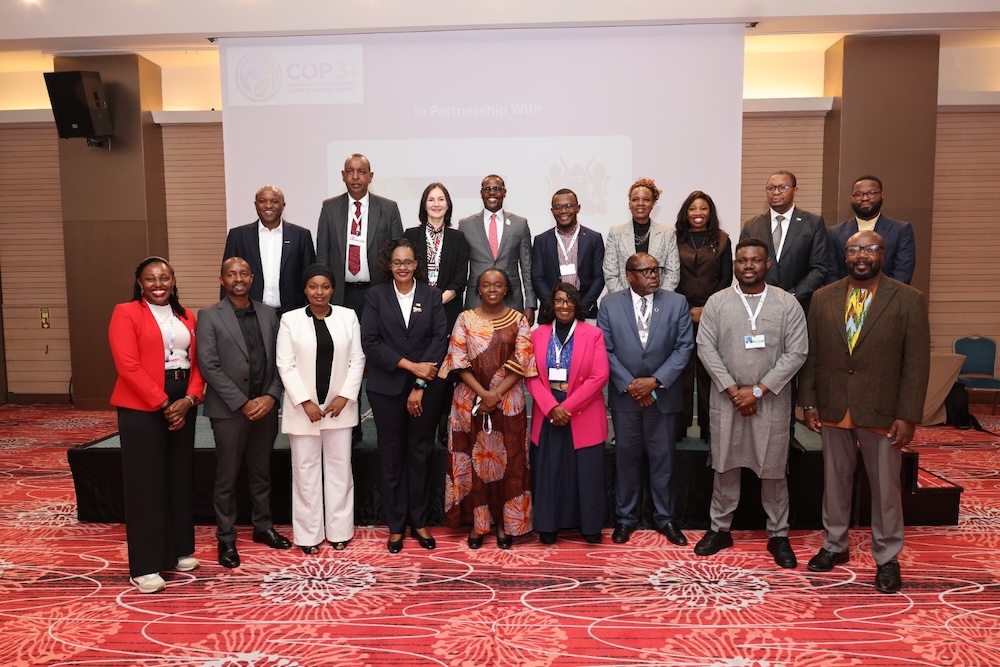
The appeal was made during a side event hosted by KCB Bank Kenya at the 31st Conference of the Parties (COP31) in Antalya, Türkiye. Held under the theme “Strengthening Strategic Partnerships for Sustainable Finance, Climate Action and Investment in Kenya”, the session examined how innovative financing structures and collaboration could accelerate the decarbonisation of educational institutions.
The event was led by KCB Bank Kenya Managing Director Annastacia Kimtai and attended by Environment, Climate Change and Forestry Cabinet Secretary Dr Deborah Barasa and Climate Change Principal Secretary Dr Festus Ng’eno. Their participation brought together perspectives from the financial sector and government on how climate policy objectives can be translated into investments that reach institutions across the country.

KCB said it has rolled out a clean energy financing pilot worth more than KES2 billion, equivalent to approximately US$15.5 million, since 2022. The initiative has supported 600 schools and 60 technical and vocational education and training (TVET) colleges in transitioning to cleaner energy solutions. According to the bank, participating institutions have recorded lower energy costs, reduced dependence on biomass fuels such as firewood and improved energy reliability.
The pilot provides an indication of how commercial finance can support the transition to cleaner energy in public and educational infrastructure. Schools and training institutions require reliable energy for cooking and daily operations, while continued dependence on traditional biomass fuels can place pressure on surrounding natural resources and expose institutions to recurring fuel costs. Financing alternatives that reduce this dependence therefore have implications beyond energy supply, extending to institutional budgets, environmental management and the quality of learning environments.
However, the scale of the national education system means that expanding such interventions will require financing beyond the capacity of individual institutions or isolated pilot programmes. During the COP31 session, Barasa outlined the government’s policy frameworks and its commitment to achieving universal access to clean cooking by 2028. She said the programme could be extended to 10,000 secondary schools, 250 TVET institutions and 42 universities, with an estimated financing requirement of US$460 million.
The proposed expansion illustrates the scale of capital needed to move from targeted interventions to a wider institutional transition. Compared with the more than KES2 billion deployed through KCB’s pilot, the estimated US$460 million requirement points to a substantial financing gap that will need to be addressed through a combination of funding sources and investment structures. The figures also underline the importance of developing financing models that can accommodate institutions with different energy needs, repayment capacities and infrastructure requirements.
Participants at the event identified concessional financing, de-risking instruments and technical assistance as important mechanisms for mobilising additional capital. These tools could help reduce investment barriers and make projects more attractive to development finance institutions and private investors. Concessional funding can improve financing terms, while risk-sharing arrangements may address concerns that limit lending to institutions or projects with constrained financial capacity. Technical assistance can also support project preparation and implementation, including the assessment of energy needs and the selection of appropriate technologies.
The discussion reflects a broader challenge in financing climate-related infrastructure: policy commitments and demand for cleaner technologies do not automatically translate into bankable projects. Institutions need access to suitable financing, but lenders and investors also require clear project structures, credible repayment arrangements and the technical capacity to deliver investments effectively. Stronger coordination between government, financial institutions and development partners will therefore be important in determining whether the proposed expansion can move from ambition to implementation.

For Kenya’s education sector, the potential benefits extend to the operational resilience of schools and learning institutions. Reducing dependence on firewood and other biomass fuels could ease pressure on natural resources while helping institutions manage energy expenditure. More reliable energy can also support the day-to-day functioning of schools and colleges, although the scale of these benefits will depend on the technologies deployed, their maintenance and the ability of institutions to sustain them over time.
KCB said its clean energy financing initiatives are strengthening the role of financial institutions in supporting Kenya’s climate commitments by widening access to cleaner energy, protecting natural resources and creating healthier learning environments. The bank’s experience since 2022 provides an existing platform for further engagement, but the proposed national expansion will require broader participation from lenders, development partners and public institutions.
The next test will be whether the partnerships discussed at COP31 can translate into financing arrangements capable of reaching thousands of institutions. With the government targeting universal clean cooking access by 2028 and an estimated US$460 million required for the proposed education-sector expansion, the ability to mobilise affordable capital, manage project risks and support implementation will shape the pace and reach of Kenya’s transition to cleaner energy in education.


