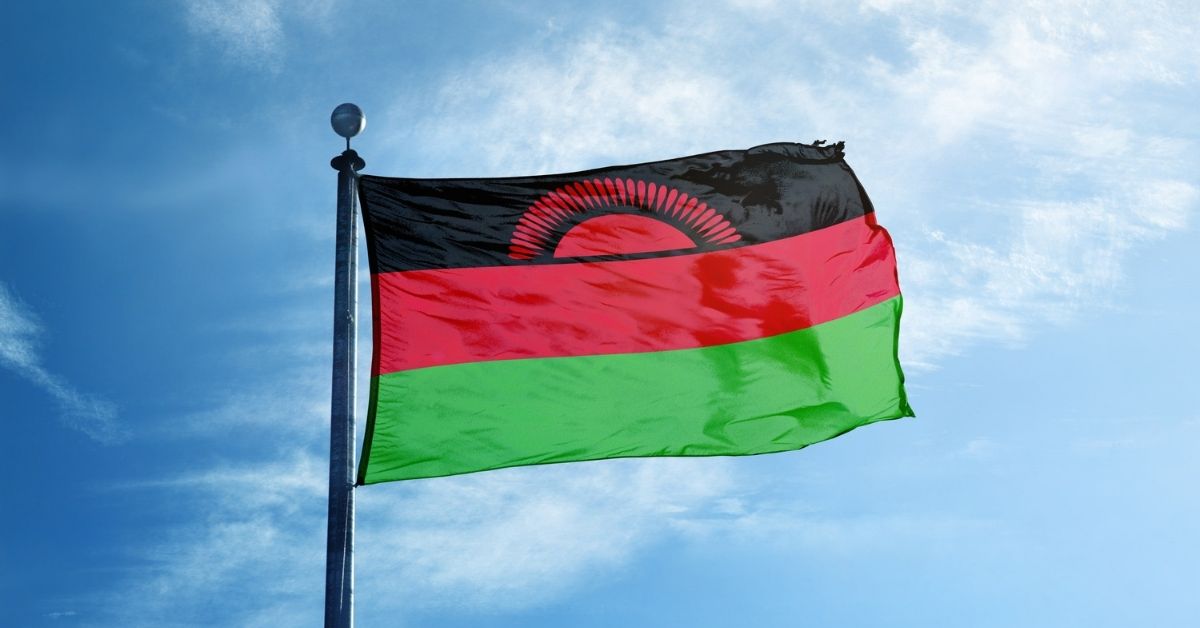

Malawi will host the 5th African Regional Conference on Loss and Damage from March 25 to 27, convening policymakers, researchers, civil society actors, and development partners to chart a coordinated response to the escalating social and economic costs of climate-related disasters across the continent.
The meeting, under the theme “Advancing Sustainable, Equitable and Just Financing and Technical Support for Loss and Damage in Africa,” aims to strengthen Africa’s capacity to negotiate, finance, and manage the impacts of climate shocks.
According to Julius Ng’oma, National Coordinator of the Civil Society Network on Climate Change, the conference will be a key platform for African countries to consolidate their approach to loss and damage, particularly in shaping the continent’s stance in forthcoming international climate negotiations.
“This conference will provide a platform to push for sustainable and equitable financing mechanisms for loss and damage, strengthen technical capacity to assess climate impacts, and improve access to assistance for affected countries and communities,” Ng’oma said. Delegates are expected to produce a regional roadmap and a communiqué outlining priority actions for financing, technical support, and coordination.

Africa has been disproportionately affected by climate extremes despite contributing minimally to global greenhouse gas emissions. The continent continues to face severe floods, prolonged droughts, and extreme weather events that disrupt agriculture, damage infrastructure, and displace communities.
Malawi itself has experienced repeated climate-related disasters in recent years, including Cyclones Idai, Tropical storm Ana, and Tropical Cyclone Gombe, which collectively displaced thousands of households and caused extensive damage to roads, bridges, schools, and farmlands. The economic toll of such events is compounded by fragile fiscal systems, limited insurance coverage, and constrained access to international climate finance, leaving governments and communities reliant on emergency aid.
Analysts say the Malawian conference comes at a critical juncture as Africa seeks more structured and predictable support for loss and damage. Current financing mechanisms, largely based on short-term aid, have been insufficient to address the recurring costs of climate shocks or to invest in preventive infrastructure and early warning systems. Strengthening regional technical capacity, data collection, and risk assessment frameworks is viewed as essential to enable governments to plan, budget, and respond effectively.
The gathering also reflects a broader push to integrate African perspectives into global climate negotiations, particularly at the United Nations Framework Convention on Climate Change (UNFCCC) level, where loss and damage finance remains a contentious issue.
Coordinated African positions could influence the design of multilateral financing mechanisms, including climate funds, insurance pools, and technical assistance programs, with implications for national budgets, private investment, and development planning.
By convening a diverse range of stakeholders, the conference aims to translate experiences of climate disruption into practical strategies for resilience. Beyond advocacy, it seeks to align technical expertise, policy instruments, and financial flows to reduce vulnerability, enhance preparedness, and support long-term recovery.
For Malawi and the broader continent, the meeting underscores the urgency of building systems capable of responding to climate shocks not as isolated crises, but as recurring economic and governance challenges shaping development outcomes across Africa.
Engage with us on LinkedIn: Africa Sustainability Matters