


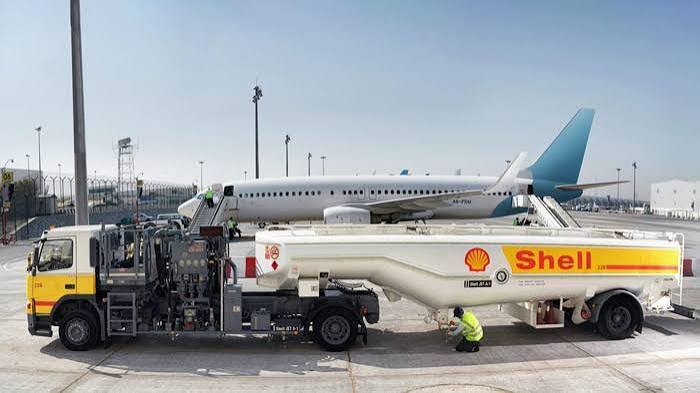
Morocco’s planned Sustainable Aviation Fuel (SAF) plant at Port Nador has secured a long-term exclusive offtake agreement with Shell Trading Rotterdam, providing a commercial anchor for a project expected to begin production in October 2028 and positioning the country to enter a market shaped by aviation decarbonisation requirements. The approximately $239 million to $240 million investment, backed by Qatari investors through Green Sky Capital, is expected to produce up to 150,000 tonnes of sustainable aviation fuel annually, or an equivalent volume of hydrotreated vegetable oil, alongside bionaphtha and biopropane.
The agreement between Shell Trading Rotterdam and Green Sky Manara LLC gives the project a committed buyer for its aviation fuel output, a significant element in financing and developing infrastructure that depends on long-term demand. According to Business Tech Africa, the plant is expected to create hundreds of construction jobs and more than 160 permanent positions once operational.

The project comes as airlines, fuel suppliers and governments face growing pressure to reduce emissions from aviation, a sector where conventional fuel remains difficult to replace at scale. Sustainable aviation fuel offers a pathway to lower lifecycle emissions when produced from eligible feedstocks, although its climate performance depends on how those inputs are sourced, processed and transported.
For Morocco, the investment extends beyond fuel production. It could strengthen the country’s industrial position in a sector increasingly influenced by environmental standards, supply chain requirements and access to international markets. The location at Port Nador also places the project within Morocco’s wider logistics and industrial infrastructure, although its eventual competitiveness will depend on feedstock availability, production costs, transport links and the ability to meet sustainability criteria.
The exclusive offtake arrangement with Shell provides a route to market, but it does not by itself establish the plant’s long-term commercial performance. Sustainable aviation fuel remains more expensive to produce than conventional jet fuel in many markets, while its availability depends on reliable supplies of suitable waste, residue or other eligible feedstocks. The project’s ability to secure those inputs at scale will therefore be central to its operating economics and environmental credentials.
The plant is also expected to produce hydrotreated vegetable oil, bionaphtha and biopropane, creating potential revenue streams beyond aviation fuel. However, the extent to which those products contribute to project viability will depend on demand, pricing and the plant’s final production mix. Business Tech Africa reported that the facility could produce about 150,000 tonnes annually of sustainable aviation fuel or an equivalent volume of HVO, rather than confirming simultaneous output at that scale.
Morocco’s project reflects a wider opportunity for African countries to participate in emerging low carbon fuel markets, but the development implications will vary across the continent. Countries with agricultural processing industries, established waste-management systems and suitable industrial infrastructure may be able to supply feedstocks or develop related processing capacity. Yet these opportunities will require careful assessment of land use, food security, waste availability and environmental safeguards.
For African economies, the central question is whether new fuel investments can build domestic value chains rather than rely primarily on imported technology, external capital and export markets. Local employment, supplier participation, skills development and infrastructure investment will influence how much economic value remains in the country. The project’s expected permanent workforce offers one measure of its direct contribution, while construction activity could generate additional demand for local services and materials.
The investment also highlights the importance of sustainability governance. SAF production is not automatically low carbon simply because it is marketed as sustainable. Feedstock sourcing, lifecycle emissions, land use impacts and traceability will determine whether the fuel delivers credible environmental benefits. These considerations are particularly relevant for African countries seeking to attract climate-aligned investment without creating new pressures on agricultural land, ecosystems or communities.
Read also: https://www.businesstechafrica.co.za/article/breaking-news-today-thursday-5-november-2026
Morocco’s position could become more significant as aviation markets increasingly incorporate fuel transition requirements into procurement and regulation. A plant with a secured buyer may offer a foundation for developing production expertise and infrastructure, but maintaining access to international markets will depend on meeting applicable sustainability standards and demonstrating the environmental performance of its products.
The project’s October 2028 start date leaves several years for construction, feedstock arrangements and operational preparation. Its longer term contribution to Morocco’s energy transition will depend on whether the facility can operate commercially, source inputs responsibly and establish a supply chain that supports both export demand and domestic economic participation.

The Shell agreement gives the project a defined commercial pathway. Its broader significance for Morocco and North Africa will be determined by how effectively that pathway translates into industrial capacity, local employment and verifiable emissions reductions.


