


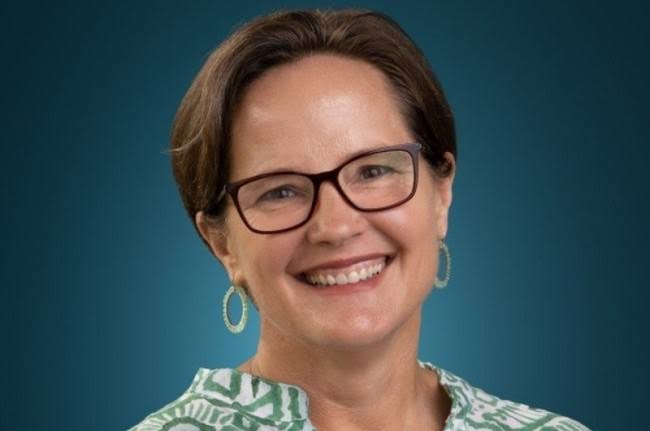
TASC, a South Africa-based carbon project developer, has appointed Shelley Estcourt as Group Chief Executive Officer as the company prepares to expand its operations across Africa, following six years of growth in which she helped establish and develop its South African business. The appointment also marks a leadership transition, with outgoing Group CEO Alick McIntosh moving into the role of Executive Chairman.
The change comes as TASC expands beyond its initial focus on improved cookstove projects into grassland restoration, soil improvement and other carbon project activities. Its portfolio now includes more than 1.2 million cookstoves, a livestock grassland restoration programme and a recently launched soil biostimulant project in South Africa. Across South Africa, Zambia and Zimbabwe, the company says its projects have created more than 1,000 employment opportunities.
Estcourt’s appointment places her at the head of a business seeking to build on its South African operations while extending its project development model into other African markets. Her six-year tenure has coincided with the expansion of TASC’s project footprint and its participation in the development of South Africa’s carbon market, including relationships with carbon credit buyers and financial institutions.

One of the most significant components of that portfolio is the Grassland Restoration and Stewardship in South Africa (GRASS) programme, developed in partnership with Meat Naturally Africa. The programme covers more than 1.3 million hectares across communal and commercial livestock farming areas, bringing together different land-use systems under a landscape-level approach to restoration and carbon project development.
Earlier in 2026, GRASS became the first project globally to issue carbon credits carrying both the Climate, Community and Biodiversity (CCB) label and Verra’s VM0042 methodology, according to TASC. The combination is significant because it connects carbon accounting with recognised standards for climate, community and biodiversity outcomes, while placing the programme within a methodology designed to quantify greenhouse gas reductions and removals from improved agricultural land management.
The programme’s scale also reflects the potential role of livestock farmers and communal land users in carbon market participation. Grassland restoration projects can generate climate benefits through improved land management, soil health and vegetation recovery, while creating additional opportunities for land users to participate in environmental markets. Their long-term performance, however, depends on effective monitoring, credible measurement of carbon outcomes and arrangements that ensure benefits reach participating communities and farmers.
In 2026, luxury safari operator Singita became the first buyer of GRASS carbon credits. The credits have also been used to address residual emissions from Radisson Safari Hotel Hoedspruit, which TASC identifies as Africa’s first Verified Net Zero hotel. These transactions provide examples of demand from tourism and hospitality businesses seeking to address emissions that remain after reduction measures.
TASC’s role in the market has extended beyond project development. The company has built relationships with carbon tax credit buyers and Standard Bank to support financing arrangements for carbon projects. This work contributed to its recognition as the recipient of the 2024 African Natural Resources Finance Deal of the Year award. Such partnerships are relevant in a market where project developers often need financing before credits are issued and revenue is realised.
Carbon projects can require substantial upfront investment in technical assessments, community engagement, implementation and monitoring. Revenue from credit sales may only materialise after projects have demonstrated performance and completed verification processes. Access to suitable financing is therefore an important factor in determining whether developers can expand projects and maintain them over time. Partnerships between project developers, banks and buyers can help address some of these funding constraints, although the commercial viability of each project remains dependent on its design, verification, credit demand and delivery costs.
TASC has also supported wider market development through initiatives including the inaugural Carbon Markets Africa Summit, Women in Carbon South Africa and regional meetings organised by the International Emissions Trading Association (IETA). These platforms bring together project developers, buyers, financiers and other market participants at a time when African carbon markets are seeking to strengthen investment, technical capacity and market integrity.
The appointment comes against a wider backdrop of growing interest in carbon markets across the continent, alongside increased scrutiny of credit quality, verification, transparency and the distribution of project benefits. For African developers, the ability to demonstrate credible emissions outcomes and tangible community and environmental benefits is central to attracting buyers and long-term capital. Projects operating across different countries must also navigate varying policy environments, land-use arrangements and regulatory requirements.
Estcourt said her priority would be to build on TASC’s South African operations while developing further projects across the region. She described the company’s next phase as a collective effort, emphasising the role of its teams and partners in delivering performance and scaling its project portfolio. Her stated focus is on originating, financing, implementing and scaling measurable climate and environmental solutions through local partnerships and technical capabilities.

Nick Marshall, TASC co-founder and Chairman of the PD Forum, said Estcourt had played a central role in developing the South African business and had earned the trust of farmers, partners and employees. He said her appointment recognised her contribution to the company’s growth and would support the next phase of regional expansion.
Established in 2019, TASC initially concentrated on addressing the impacts of open-fire cooking through improved cookstove projects. It has since diversified into land restoration and soil-related initiatives, reflecting a broader approach to carbon project development that combines emissions reductions with social and environmental objectives. The company says its projects contribute to more than half of the United Nations Sustainable Development Goals.
The leadership transition will test whether TASC can replicate its South African experience across markets with different land-use systems, institutional conditions and carbon market structures. Its existing portfolio provides a platform for expansion, but scaling will require sustained partnerships with communities, farmers, buyers and financial institutions, alongside credible project monitoring and verification.
For Africa’s carbon market, the appointment highlights the growing role of project developers in turning climate and land-use interventions into investable activities. TASC’s next phase will depend not only on expanding the number and scale of its projects, but also on maintaining the standards and local relationships needed to deliver measurable outcomes and build confidence among carbon credit buyers.