


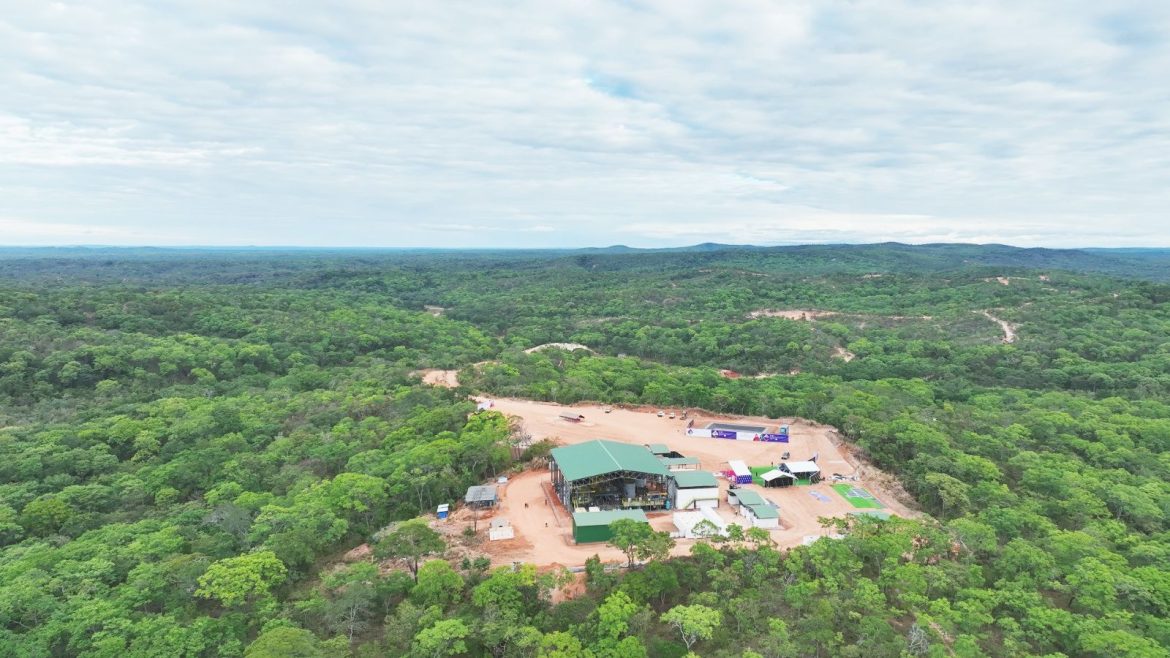
Tanzania’s uranium sector is taking a step towards deeper local participation after Mantra Tanzania Limited recruited and deployed a new cohort of locally trained equipment operators at the Mkuju River Project in Namtumbo District, Ruvuma Region, reinforcing efforts to build domestic technical capacity ahead of large-scale project development. The initiative, which has trained and certified ten operators primarily drawn from surrounding communities, reflects a broader strategy to align strategic mineral development with employment creation, skills transfer and long-term economic inclusion.
The recruitment programme comes as the Mkuju River Project, one of East Africa’s most significant uranium developments, advances preparations for future mining and processing operations. The project is expected to play an increasingly important role in Tanzania’s participation in global energy supply chains as demand grows for minerals linked to low-carbon energy systems and energy security.
 According to Mantra Tanzania, the newly recruited operators have undergone specialised training covering modern equipment handling, operational procedures and workplace safety standards. The company says the programme is intended to ensure local workers are equipped to participate in technically demanding industrial activities while meeting internationally recognised safety requirements.
The initiative highlights a growing shift across Africa’s extractive industries towards workforce localisation. Governments and investors are placing greater emphasis on ensuring that large-scale resource projects generate tangible benefits for host communities beyond royalties and tax revenues. Skills development, local procurement and employment creation are increasingly viewed as critical indicators of whether mining projects can deliver inclusive economic outcomes.
According to Mantra Tanzania Managing Director Illya Shchukin, investment in local human capital forms an important component of the project’s long-term development strategy. Building a skilled local workforce, he said, contributes to operational efficiency while supporting broader socio-economic development objectives within the region.
For Tanzania, the programme aligns with national efforts to strengthen industrialisation and expand opportunities for young people entering technical professions. Youth unemployment remains a challenge across much of Sub-Saharan Africa, even as demand for skilled labour grows in infrastructure, energy and mining sectors. Programmes that connect vocational training directly to employment opportunities are increasingly being viewed as important tools for addressing labour market gaps while supporting industrial growth.
Read also: https://uchumi360.com/c/energy-critical-minerals/tanzania-mkuju-river-uranium
The economic implications extend beyond direct employment. Workforce localisation can reduce reliance on expatriate labour, retain a greater share of project expenditure within the domestic economy and stimulate demand for supporting services such as training institutions, accommodation, transport and local suppliers. Over time, these multiplier effects can strengthen regional economies and contribute to broader development objectives.
The Mkuju River Project also illustrates how Environmental, Social and Governance (ESG) considerations are reshaping investment decisions within the mining industry. While environmental management remains central to ESG assessments, investors and regulators are placing greater scrutiny on social performance indicators, including workforce development, community engagement and local economic participation.
According to industry analysts, social licence to operate has become an increasingly important determinant of project viability. Mining companies operating in emerging markets face growing expectations to demonstrate that local communities are benefiting from resource development through employment, education and business opportunities. Failure to meet these expectations can create operational risks, delay project implementation and undermine investor confidence.
Sustainability Manager Majani Moremi Wambura said the company’s approach recognises that responsible mining encompasses both environmental stewardship and social impact. Integrating local talent into project operations, he noted, contributes to trust-building and strengthens the relationship between industrial development and community wellbeing.
The initiative also comes at a time when global interest in nuclear energy is increasing as countries seek low-carbon alternatives capable of supporting energy transition objectives. Uranium-producing nations are positioning themselves to benefit from renewed investment in nuclear power generation, which many governments view as an important complement to renewable energy systems.
For Tanzania, the development of a domestic uranium industry could provide opportunities to diversify export revenues and strengthen participation in strategic mineral markets. However, realising these benefits will depend on effective governance, robust environmental safeguards and sustained investment in local skills and institutional capacity.
The experience at Mkuju River suggests that workforce development is becoming an increasingly important component of resource-led development strategies. As African countries seek to capture greater value from their natural resources, investments in human capital may prove as significant as investments in physical infrastructure.
 For the residents of Namtumbo District who have entered the programme, the immediate impact is more tangible. Access to stable employment and technical training offers a pathway to higher incomes, greater economic security and expanded career prospects. For policymakers and investors, the initiative provides an example of how strategic mineral projects can contribute to broader development goals when workforce participation and community inclusion are integrated into project planning from the outset.
As construction and operational activities progress at Mkuju River, further expansion of local training programmes is expected to deepen workforce localisation efforts. The outcome will be closely watched as Tanzania seeks to balance industrial growth, community development and responsible resource management within one of its most strategically significant mining projects.


