


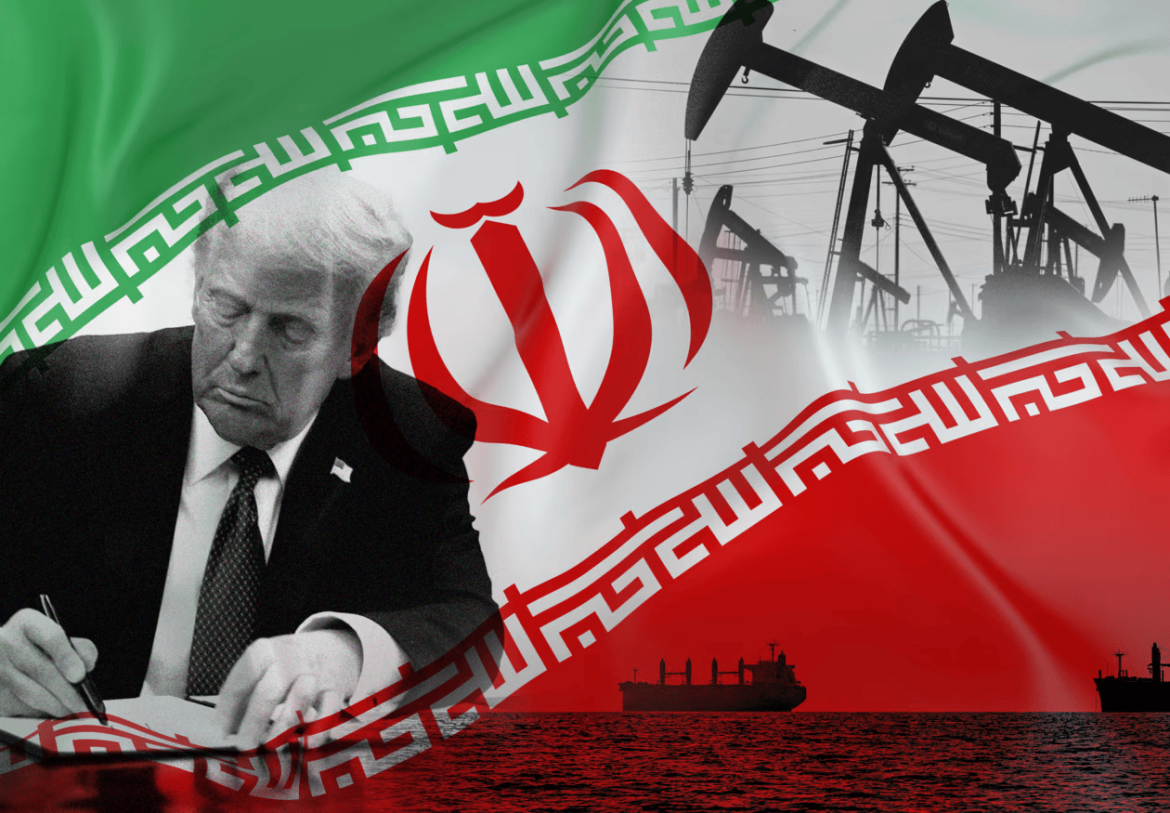
Global oil markets climbed sharply on Monday after US President Donald Trump dismissed Iran’s latest response to Washington’s ceasefire and negotiation proposals as “totally unacceptable,” intensifying fears of prolonged disruption in one of the world’s most critical energy corridors and raising new concerns for oil-importing economies across Africa.
Brent crude, the international benchmark, rose more than 4% in Asian trading to $105.50 per barrel, while US West Texas Intermediate approached the $100 mark, reflecting mounting anxiety over the continued closure of the Strait of Hormuz, a strategic shipping route through which roughly one-fifth of global oil and gas supplies normally pass. The waterway has remained effectively shut since the outbreak of hostilities between Iran, Israel and the United States in late February, severely disrupting global energy flows and contributing to renewed volatility in commodity markets.
According to Iran’s semi-official Tasnim news agency, Tehran conveyed its response to US proposals through Pakistan, which has acted as an intermediary during negotiations. Iran reportedly demanded an immediate end to the conflict and guarantees against further US-Israeli military action before agreeing to broader terms linked to maritime security and nuclear restrictions.
Trump responded publicly on social media, stating that he had reviewed the Iranian proposal and found it
“TOTALLY UNACCEPTABLE.”
According to reports from Axios, Washington’s conditions included restoring free navigation through the Strait of Hormuz and suspending Iranian uranium enrichment activities.
The latest diplomatic breakdown has heightened concerns that a conflict initially viewed as regionally contained could evolve into a prolonged geopolitical and economic crisis with global consequences. Israeli Prime Minister Benjamin Netanyahu said the war would not end until Iran’s enriched uranium stockpiles were neutralised, signalling that core disagreements between the parties remain unresolved despite weeks of indirect talks.
Although a ceasefire announced in early April has largely held, punctuated only by sporadic exchanges of fire, energy markets have continued to react to uncertainty surrounding shipping security and supply reliability. On 21 April, Trump extended the truce indefinitely to provide additional time for negotiations, but traders remain sensitive to any indication that the fragile arrangement could collapse.
For African economies, the sustained rise in oil prices carries significant fiscal and inflationary implications. Many countries across sub-Saharan Africa remain heavily dependent on imported refined petroleum products despite being resource-rich regions themselves. Higher crude prices typically translate into rising transport costs, elevated food inflation and mounting pressure on government subsidy programmes. Countries already managing debt vulnerabilities and currency depreciation risks may face additional strain if energy prices remain above $100 per barrel for a prolonged period.
The impact is particularly acute for net oil importers such as Kenya, Ethiopia and Rwanda, where fuel costs directly affect transport networks, electricity generation and agricultural supply chains. Analysts note that elevated energy prices could also complicate central bank efforts to stabilise inflation and sustain economic recovery following recent currency and debt crises in several African markets.
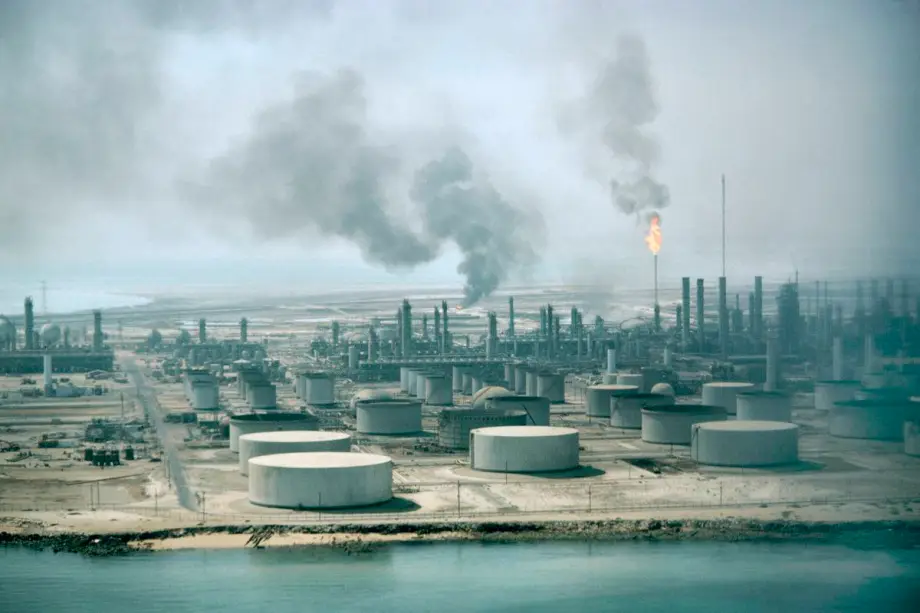
At the same time, major oil exporters and multinational energy companies have benefited from the market turbulence. Saudi Aramco reported a more than 25% increase in first-quarter earnings compared with the same period last year, driven by higher global prices and resilient demand. Chief Executive Amin Nasser said the company’s cross-country pipeline infrastructure had enabled it to avoid major shipping disruptions caused by the Hormuz crisis, describing the network as a “critical supply artery.”
Other global energy firms have also recorded strong earnings. BP reported that quarterly profits had more than doubled, while Shell also announced sharply higher earnings, underscoring how geopolitical instability continues to reshape global energy markets and corporate profitability.
Beyond immediate market reactions, the conflict is reinforcing broader concerns about energy security and supply-chain resilience. The repeated disruption of the Strait of Hormuz has revived discussions in Europe, Asia and parts of Africa over strategic fuel reserves, alternative shipping routes and accelerated investments in domestic energy infrastructure. For African governments pursuing energy transition strategies while simultaneously grappling with rising fuel demand, the latest price shock highlights the difficult balance between energy security, fiscal stability and long-term decarbonisation goals.

With negotiations stalled and regional tensions unresolved, analysts warn that oil markets are likely to remain volatile in the weeks ahead. For many African economies already facing climate pressures, debt servicing costs and constrained public finances, sustained instability in global energy markets could deepen existing economic vulnerabilities while testing governments’ capacity to shield households and businesses from another inflationary cycle.


