


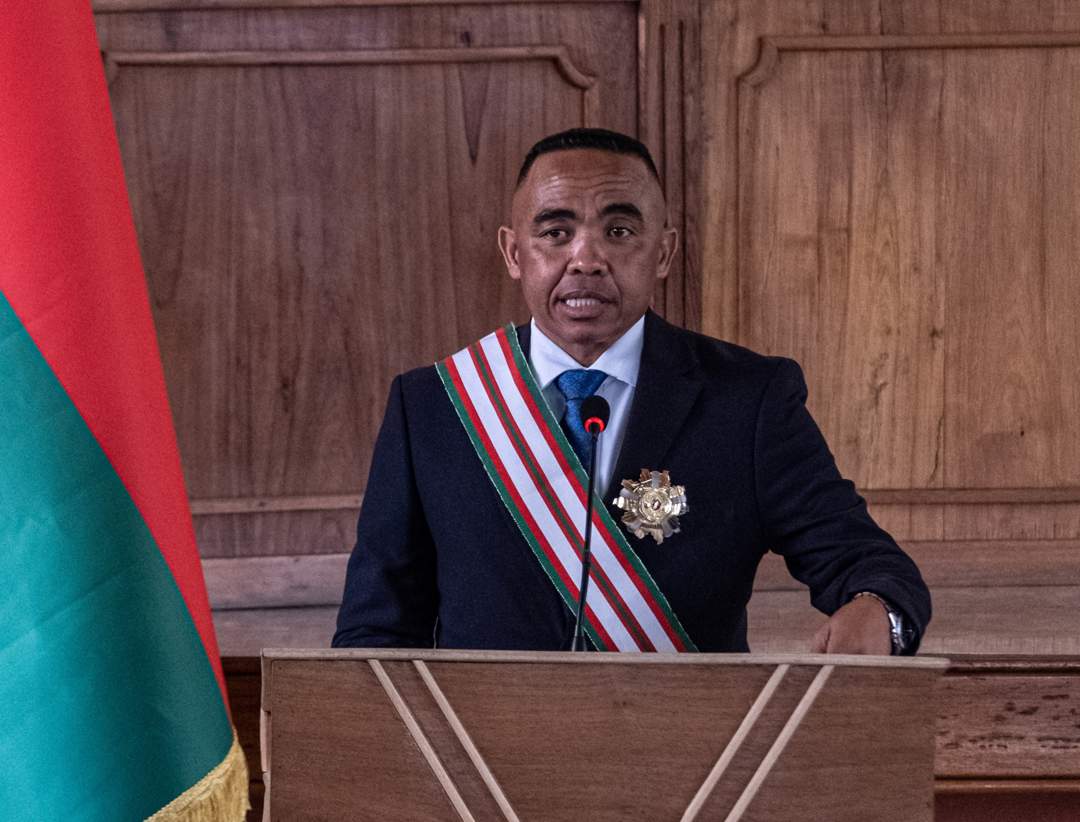
Madagascar’s High Constitutional Court has dismissed an opposition-led attempt to remove military ruler Colonel Michael Randrianirina from power, reinforcing the authority of the transitional administration at a time of growing political and economic uncertainty in the Indian Ocean island nation.
The ruling, delivered on Thursday, rejected a petition filed by opposition Parliamentarian Antoine Rajerison, who had accused the military leader of treason and repeated constitutional violations, including disputed state appointments and the dissolution of government institutions. The court declared the application “inadmissible”, stating that it failed to meet the constitutional threshold required to remove a head of state.
The decision comes less than a year after Randrianirina assumed power following the departure of former President Andry Rajoelina amid escalating youth-led protests over worsening shortages of water and electricity. The transition initially raised expectations among sections of the population seeking reforms and institutional stability, but recent developments suggest mounting frustration over the pace of political and economic change.
Madagascar’s transitional authorities dissolved the government in March, dismissing the Prime Minister and Cabinet in a move that critics argued concentrated executive authority further within the military-backed administration. Civil society organizations and rights groups have since raised concerns over arrests of demonstrators and allegations of excessive force against protesters demanding faster reforms and improved living conditions.
According to analysts, the constitutional dispute highlights broader institutional tensions facing several African states that have experienced military takeovers or transitional governments in recent years. Madagascar joins a growing list of African countries where debates over constitutional legitimacy, democratic governance and military influence have become central to political stability and investor confidence.
The government has pledged to oversee a transition culminating in a new constitution and presidential elections by the end of 2027. However, questions remain over whether the roadmap can restore confidence among citizens, businesses and development partners amid continued economic hardship.
 Madagascar remains one of the world’s poorest countries despite significant natural resource wealth and global importance in biodiversity conservation. The country is the world’s leading producer of vanilla and hosts unique ecosystems found nowhere else on earth, yet decades of political instability have constrained infrastructure development, weakened institutions and limited industrial diversification.
Persistent governance disruptions carry direct implications for economic planning, fiscal stability and environmental management. According to regional development economists, prolonged uncertainty can delay foreign investment decisions, slow donor-supported programmes and weaken the state’s ability to manage climate adaptation and conservation financing.
The political tensions also emerge at a time when African governments are increasingly under pressure to balance democratic accountability with demands for economic delivery, particularly among younger populations facing high unemployment and rising living costs. In Madagascar, frustrations over energy shortages and public services have become closely tied to wider concerns about governance and state capacity.
 While the court ruling may provide short-term political continuity for the transitional administration, observers say it is unlikely to end debates over constitutional legitimacy and the future direction of the country’s governance reforms. Much will depend on whether authorities can deliver credible institutional reforms, restore public confidence and stabilize the economy ahead of the proposed electoral transition.
For African policymakers and regional institutions, Madagascar’s latest constitutional dispute reflects the broader governance challenges confronting several states across the continent, where political instability increasingly intersects with development financing, energy access, social pressures and long-term economic resilience.


