


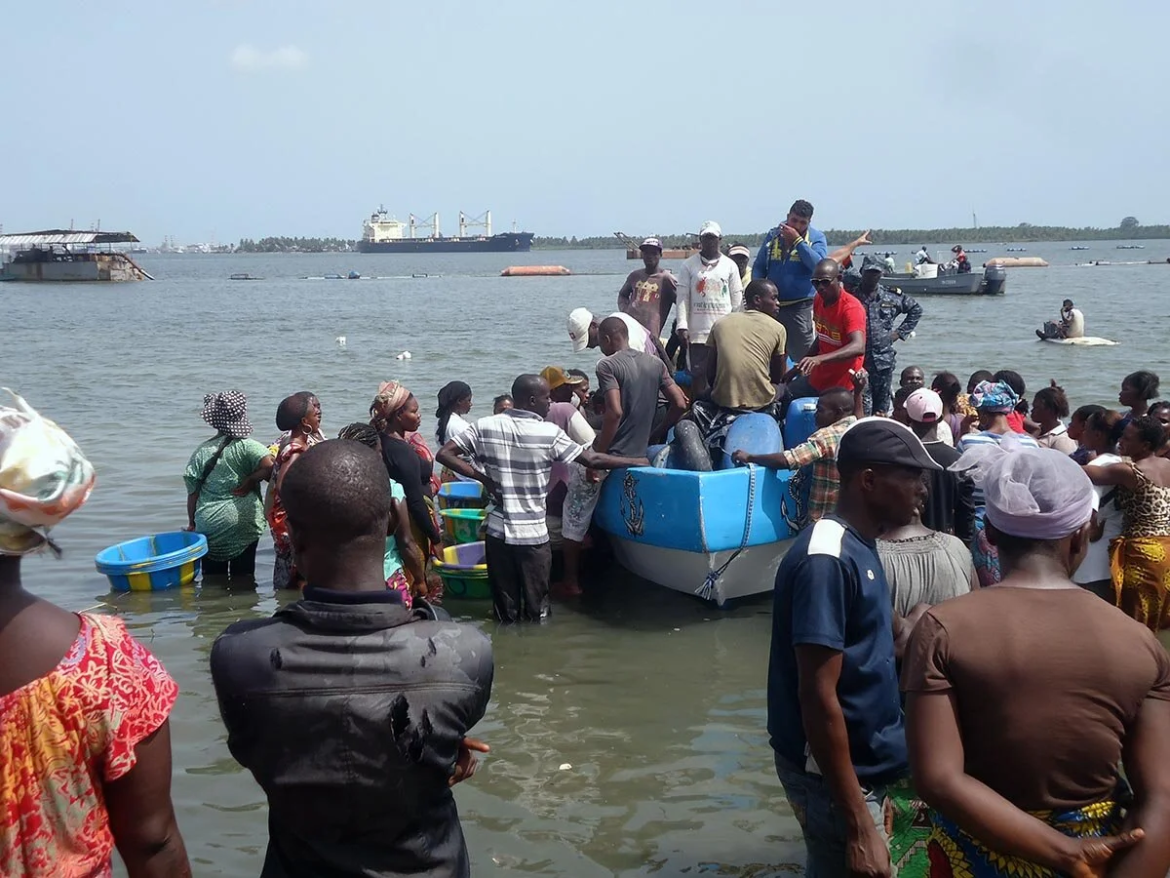
Côte d’Ivoire has launched a five-year, US$33 million fisheries and aquaculture development programme aimed at reversing declining domestic fish production, strengthening food security and reducing the country’s growing dependence on fish imports.The Competitive Value Chain Development Project for Aquaculture and Sustainable Fisheries, known as ProDeCAP, was officially rolled out with support from the Food and Agriculture Organization of the United Nations and financing led by the African Development Bank.Backed by a budget of €28.95 million, equivalent to approximately US$33.1 million, the initiative is financed largely through an African Development Bank loan covering 85 per cent of total costs, with additional funding from the Ivorian government and sector stakeholders.
Authorities say
the programme is designed to strengthen fisheries governance, improve sustainable resource management and expand aquaculture production while supporting the development of more competitive value chains across the sector.
The project comes at a critical time for Côte d’Ivoire’s fisheries industry, which continues to face declining output despite rising domestic demand driven by rapid urbanisation and population growth. According to data from the FAO, national fisheries and aquaculture production fell to 87,228 tons in 2023, down more than 23 per cent from the sector’s 2018 peak of 113,637 tons.
The decline has increased pressure on imports, making Côte d’Ivoire increasingly dependent on international fish markets to meet domestic consumption needs. Customs data show fish import volumes rose from approximately 388,000 tons in 2015 to more than 732,000 tons in 2024, an increase of nearly 90 per cent over the period.
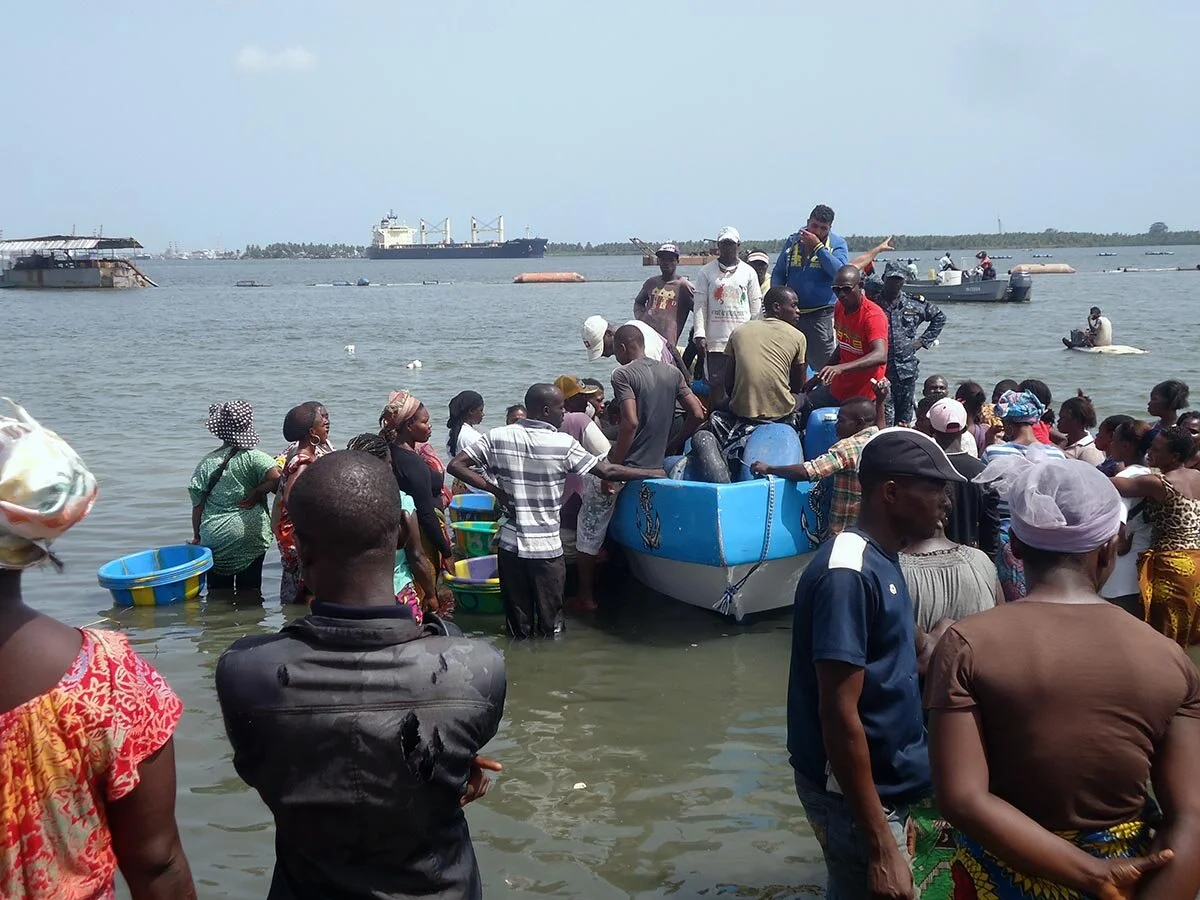
Import costs have also risen sharply. The value of imported fish climbed from CFA229 billion, or roughly US$411.7 million, in 2015 to more than CFA518 billion in 2024, reflecting both higher import volumes and rising global food prices.For Côte d’Ivoire, the widening import bill has broader economic implications. Rising food imports place pressure on foreign exchange reserves and expose domestic markets to international commodity price volatility, while persistent production gaps undermine efforts to strengthen food sovereignty and rural livelihoods.
Authorities are positioning aquaculture as a strategic solution to those pressures. Under ProDeCAP, Côte d’Ivoire aims to increase aquaculture production to 35,000 tons by 2031, up from 8,806 tons recorded in 2023. If achieved, the increase could significantly improve domestic fish supply while creating employment opportunities across production, processing and distribution chains.
Read also:Bottom Trawling threatens food security and coastal economies in Kenya and Ghana, new report warns
The programme is expected to benefit around 700,000 people directly and indirectly, including approximately 50,000 participants in aquaculture and 650,000 individuals linked to fisheries activities.Implementation will focus on key coastal and inland production zones, including Abidjan, Jacqueville, Assinie, San Pedro and Sassandra, as well as inland water systems around Bouaké, Yamoussoukro and the Kossou and Buyo reservoirs.
According to the African Development Bank, the sector continues to face multiple structural constraints limiting productivity and competitiveness. These include inadequate cold chain and processing infrastructure, high post-harvest losses, climate-related pressure on fish stocks, widespread illegal and unregulated fishing activities and limited access to finance for small-scale operators and fisheries enterprises.
Climate change has emerged as an additional pressure point for West African fisheries, affecting marine ecosystems, water temperatures and fish reproduction cycles. Analysts say adaptation measures and sustainable resource management will become increasingly important as coastal economies attempt to balance food demand with environmental sustainability.
The programme also reflects a broader continental push to develop aquaculture as African governments seek to reduce dependence on imported fish and strengthen domestic food systems. According to the FAO, Africa’s fish consumption continues to rise steadily, driven by urbanisation, demographic growth and changing dietary patterns, while local production in many countries struggles to keep pace.
Development finance institutions increasingly view fisheries and aquaculture as strategic sectors capable of supporting employment, nutrition and export diversification, particularly in coastal and rural economies.
For Côte d’Ivoire, the success of ProDeCAP will likely depend on whether investments in infrastructure, governance and sustainable resource management can translate into measurable productivity gains and reduced import dependency over the coming years.
The programme also highlights the growing importance of food system resilience within African economic planning, as governments seek to strengthen domestic production capacity amid rising climate risks, volatile commodity markets and increasing pressure on public finances linked to food imports.


