


Global supply chain risks are expected to intensify in 2026 as businesses confront a convergence of inflationary pressures, climate-related disruptions, geopolitical tensions, cybersecurity threats and shifting regulatory requirements, forcing companies across Africa and other emerging markets to reassess how they source goods, manage logistics and protect long-term operational stability. For African economies, where industrial production, food systems, energy infrastructure and trade networks remain highly exposed to external shocks, the growing complexity of global supply chains is increasingly becoming both an economic and governance challenge rather than simply a procurement issue.
The disruptions that followed the COVID-19 pandemic fundamentally altered how businesses evaluate supply chain vulnerability. According to supply chain analysts and industry studies, companies are moving away from cost-focused sourcing models toward resilience-based strategies that prioritize diversification, inventory flexibility, supplier transparency and digital risk monitoring. The shift reflects broader concerns that disruptions once considered exceptional are becoming more frequent and structurally embedded within global trade systems.
Recent data from consulting firm J.S. Held estimates that supply chain disruptions cost businesses approximately $184 billion annually by 2025, underscoring the financial implications of delayed shipments, production stoppages, and inventory shortages. For African firms, the impact can be particularly severe given limited access to affordable financing, weaker logistics infrastructure and higher exposure to imported fuel, machinery, pharmaceuticals and industrial inputs.
Inflation and broader economic volatility remain among the most immediate risks facing global supply chains. Rising fuel prices, fluctuating exchange rates, and higher transportation costs continue to affect manufacturing and distribution networks worldwide. In many African economies, where inflationary pressures have already strained household purchasing power and public finances, prolonged supply chain disruptions risk increasing the cost of food imports, construction materials and energy infrastructure projects.
Climate-related disruptions are also reshaping supply chain risk calculations. According to the international disaster database EM-DAT, the frequency and severity of natural disasters have increased steadily over the past two decades, affecting transportation corridors, agricultural production zones, and industrial facilities. Floods, droughts, wildfires and extreme heat events have disrupted ports, rail systems and manufacturing hubs across multiple regions, exposing the vulnerability of globally interconnected trade systems.
For Africa, climate-related supply chain disruptions carry implications for food security and commodity exports. Agricultural economies dependent on rainfall-sensitive production systems remains exposed to both domestic climate shocks and disruptions in imported fertilizer, fuel and machinery supply chains. Countries including Kenya, South Africa, Nigeria and Egypt have increasingly faced logistical bottlenecks linked to weather extremes, port congestion and global freight instability.
Geopolitical tensions are adding further uncertainty to trade and sourcing strategies. Export restrictions, tariff disputes and sanctions regimes continue to alter trade routes and procurement costs, particularly in sectors linked to energy, semiconductors, fertilizers and industrial metals. Businesses operating across African markets are increasingly being forced to navigate a more fragmented global trading environment where political decisions in major economies can directly influence local inflation, manufacturing capacity and infrastructure development.
Cybersecurity has also emerged as a major supply chain vulnerability as logistics systems; procurement platforms and industrial operations become more digitally integrated. According to industry estimates, supply chain cyberattacks nearly doubled between 2024 and 2025, generating global losses exceeding $53 billion. Increasing reliance on cloud-based systems, Internet of Things technologies and digital freight management platforms has expanded operational efficiency but also increased exposure to ransomware attacks, data breaches and operational shutdowns.
For African businesses undergoing digital transformation, cybersecurity resilience is becoming increasingly linked to competitiveness and investor confidence. Financial institutions, logistics operators and manufacturing firms are under growing pressure to strengthen data protection systems and operational safeguards as global investors place greater scrutiny on digital governance and operational continuity.
Regulatory risks are also becoming more prominent within international supply chains. Governments and multinational buyers are introducing stricter environmental, labour and traceability requirements that affect exporters across developing markets. Legislation such as the United States Uyghur Forced Labor Prevention Act and the European Union’s sustainability reporting and deforestation regulations are increasing compliance obligations for suppliers worldwide.
African exporters operating in sectors such as mining, agriculture, textiles and manufacturing may face growing pressure to provide detailed supply chain transparency, labour verification and emissions reporting to maintain access to international markets. Analysts say these requirements could raise operational costs for smaller firms while simultaneously creating incentives for stronger governance, digital traceability systems, and ESG integration.
Labour shortages and skills gaps are creating additional operational risks within global supply chains. According to the World Economic Forum, most business leaders now identify workforce retention and reskilling as strategic priorities as companies adopt more advanced digital systems and automation technologies. Across Africa, shortages of specialized logistics, engineering, and technology skills continue to affect industrial productivity and infrastructure maintenance.
At the same time, operational and reputational risks are becoming increasingly interconnected. Consumers, regulators and investors are placing greater scrutiny on how businesses source raw materials, manage labour conditions, and respond to environmental risks. Social media and digital communication platforms have accelerated the speed at which supply chain failures or ethical controversies can affect corporate reputations and market value.
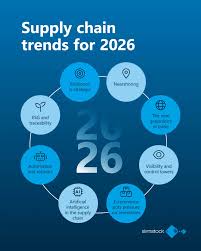
In response, businesses are increasingly adopting supply chain mapping, scenario planning, and supplier diversification strategies to improve resilience. According to supply chain experts, companies are also investing more heavily in AI-enabled logistics systems capable of improving demand forecasting, monitoring freight movement, and identifying operational risks in real time.

For African economies seeking to strengthen industrialization and regional trade integration under frameworks such as the African Continental Free Trade Area (AfCFTA), improving supply chain resilience is becoming central to broader economic competitiveness. Efficient transport corridors, reliable energy systems, digital infrastructure and regulatory coordination are increasingly viewed as prerequisites for attracting manufacturing investment and reducing dependence on external supply shocks.
The growing focus on supply chain resilience also intersects with wider sustainability and governance priorities. Investors and multinational corporations are increasingly evaluating climate exposure, labour standards, cybersecurity preparedness and operational transparency as part of procurement and financing decisions. As a result, African businesses capable of demonstrating stronger resilience and governance standards may improve their ability to access international markets and long-term capital.
While the global supply chain environment is expected to remain volatile through 2026, analysts say companies that invest in diversified sourcing, digital infrastructure, workforce skills and risk governance systems may be better positioned to manage future disruptions. For African economies navigating fiscal constraints, climate pressures and industrial transition challenges, supply chain resilience is increasingly emerging as a strategic economic imperative tied directly to growth, stability and long-term development.


