


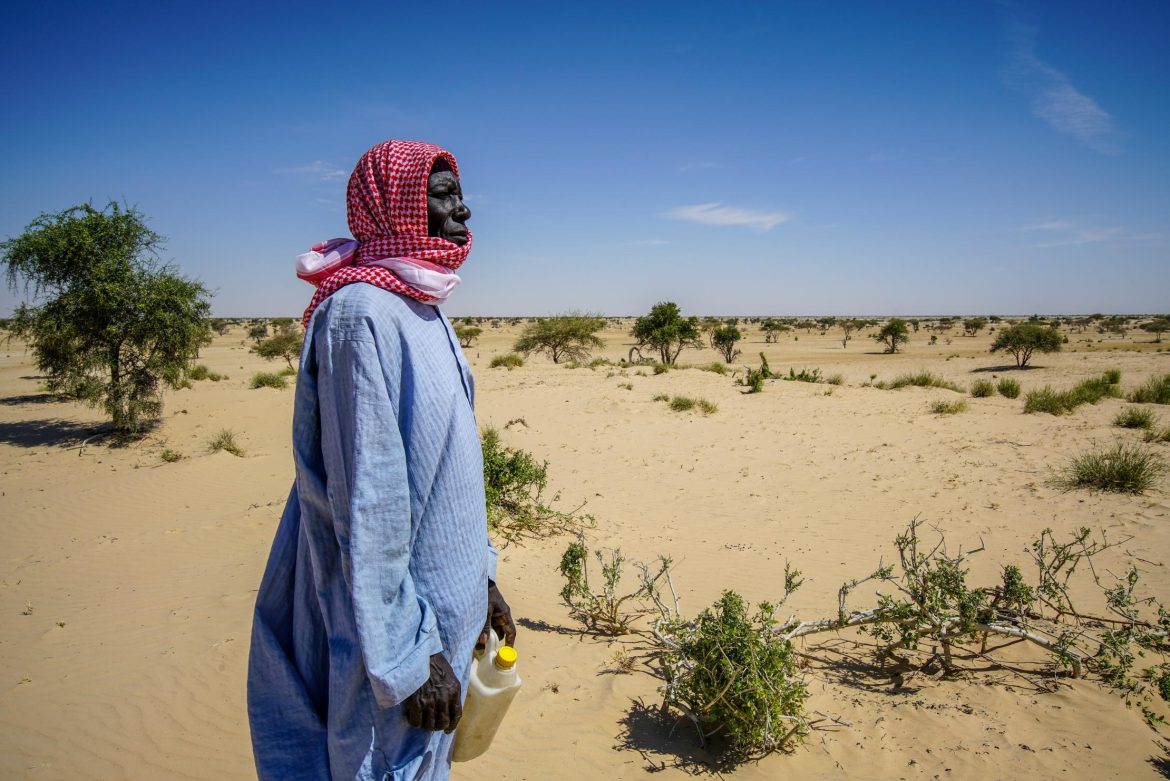
The sustainable management of oasis ecosystems and the expansion of local economic value chains have emerged as central priorities for Niger’s development agenda following high-level discussions during Kawar Week in Niamey, where government representatives, local authorities, development partners and community stakeholders examined how environmental protection can be aligned with economic growth in one of the country’s most climate-vulnerable regions.
The discussions, organised as part of Kawar Week by the Association for the Promotion of Inter-communality in Kawar (APIK-Baana), focused on the strategic importance of the Kawar region’s oasis ecosystems, which provide scarce water resources, sustain agricultural production and underpin livelihoods across Northern Niger. Participants argued that safeguarding these fragile landscapes requires integrated resource management that combines environmental conservation with investments capable of strengthening local industries, improving household incomes and building long-term resilience against climate shocks.
Located within the Sahara Desert, the Kawar region has historically served as a critical centre of agricultural and commercial activity despite its harsh climatic conditions. The area’s oases support the cultivation of date palms while also sustaining the production of salt and natron, commodities that have formed part of regional trade networks for centuries. According to participants, these natural assets remain fundamental to local economies but face increasing pressure from water scarcity, land degradation and rising climate variability.
The panel highlighted the need to improve the competitiveness of the region’s agricultural and mineral value chains by strengthening transport links, expanding storage infrastructure and encouraging greater investment in local processing industries. Participants argued that increasing value addition within the region would enable producers to retain a larger share of economic returns while reducing post-harvest losses and creating employment opportunities for rural communities that often face limited access to formal markets.
The emphasis on local value chain development reflects a broader shift taking place across Africa, where governments are increasingly seeking to move beyond exporting raw commodities towards building domestic industries capable of generating higher incomes and greater economic resilience. For Niger, improving the commercial viability of date production, salt extraction and other locally produced goods offers opportunities to diversify rural economies while reducing dependence on external markets.
Environmental sustainability remained central throughout the discussions. Participants stressed that the protection of oasis ecosystems is inseparable from economic development because declining water resources directly threaten agricultural productivity, household incomes and food security. According to the panel, strengthening irrigation infrastructure, expanding access to reliable water systems and promoting climate-resilient farming practices will be essential if the region is to withstand increasingly frequent droughts and changing rainfall patterns.
The discussions also underscored the growing importance of nature-based infrastructure within Africa’s climate adaptation agenda. Healthy oasis ecosystems provide services that extend beyond agriculture, supporting groundwater recharge, moderating local temperatures and helping communities maintain productive livelihoods in arid environments. As climate risks intensify across the Sahel, preserving these natural systems is becoming an increasingly important component of national adaptation strategies.
Participants further emphasised that sustainable development in the Kawar region will depend on stronger coordination between government institutions, technical agencies, development finance partners, civil society organisations and local communities. Such collaboration is expected to mobilise investment for infrastructure development, environmental restoration and enterprise growth while ensuring that development planning remains grounded in local priorities and community participation.
The focus on partnership reflects wider continental efforts to improve climate resilience through locally led development. Across Africa, governments are placing greater emphasis on community-centred adaptation programmes that combine environmental stewardship with economic inclusion, recognising that long-term resilience depends on creating livelihoods capable of withstanding climate-related disruptions while protecting natural ecosystems.
 For investors and development partners, the Kawar discussions also illustrate the expanding role of climate finance in supporting integrated rural development. Financing that links ecosystem restoration with infrastructure investment, agricultural productivity and local enterprise development is increasingly viewed as a practical mechanism for strengthening vulnerable regions while advancing broader sustainable development objectives.
The conclusions reached during Kawar Week reinforce the growing recognition that environmental protection and economic development are no longer competing priorities. In regions such as Northern Niger, preserving natural ecosystems has become essential to maintaining productive economies, safeguarding water resources and supporting community resilience. As African countries continue to adapt to climate change, initiatives that combine sustainable resource management with locally driven economic development are likely to become increasingly important components of national growth strategies.


