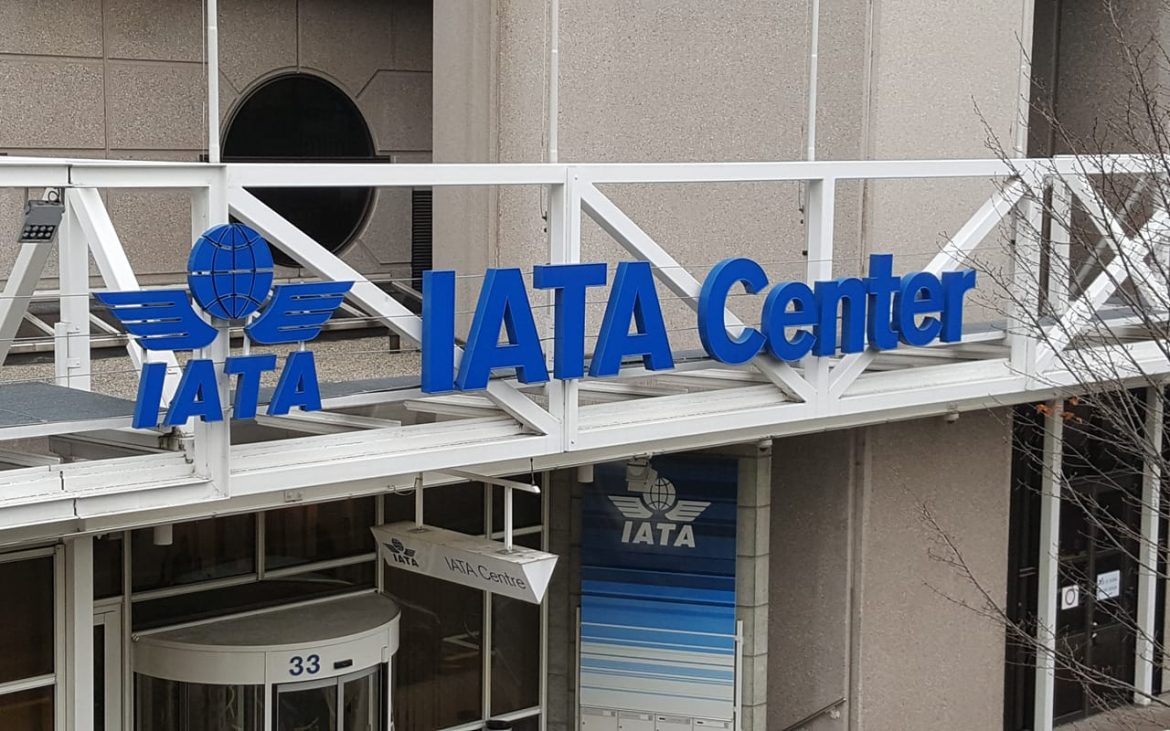
The Project Developer Forum (PD Forum), a global association representing more than 65 carbon project developers across Africa, Asia, Latin America and other regions, has joined the International Air Transport Association’s (IATA) Supporting Alliance for CORSIA Eligible Emissions Unit (EEU) Supply, while cautioning that expanding carbon credit supply alone will not be enough to create a functioning aviation carbon market.
The move comes as the aviation sector prepares for the first compliance phase of the Carbon Offsetting and Reduction Scheme for International Aviation (CORSIA), the United Nations-backed mechanism designed to help airlines offset emissions growth through the purchase of approved carbon credits. The Alliance, launched under the Aviation Markets Compact, brings together more than 32 airlines, standards bodies, registries and carbon market stakeholders with the objective of increasing the availability of CORSIA Eligible Emissions Units to between 225 million and 250 million tonnes by spring 2027. The target is intended to ensure sufficient supply ahead of the January 2028 compliance deadline.
At the centre of the initiative is the challenge of securing host country authorisations for carbon credits. Under the Paris Agreement, countries must approve the transfer of emissions reductions for international use while ensuring that the same reductions are not counted toward their own climate targets, a process widely regarded as one of the most complex aspects of international carbon market implementation. While welcoming efforts to remove these bottlenecks, the Project Developer Forum argued that unlocking supply without corresponding demand from airlines risks undermining the effectiveness of the scheme and limiting the flow of climate finance to developing countries.
“Authorisations are essential groundwork, but they mean nothing if nobody shows up to buy the credits,”said Nick Marshall, Chair of the Project Developer Forum.
“Right now, developers are navigating increasingly complex host country processes to generate CORSIA-eligible units while facing sporadic demand signals from airlines. If CORSIA is to deliver the billions in climate finance it promises, airlines need to enter the market early and purchase regularly. The supply is mobilising. However, the question remains as to whether demand will meet it in time,”he added.
The debate highlights a broader challenge facing global carbon markets as governments, corporations and investors seek to scale voluntary and compliance-based carbon finance mechanisms to support climate action. While considerable attention has focused on increasing the supply of high-integrity carbon credits, market participants increasingly warn that inconsistent demand could discourage project development and reduce investment in emissions reduction initiatives.
For Africa, where many carbon projects are located and where climate finance remains significantly below estimated requirements, the success of CORSIA could play a critical role in directing new investment toward clean energy, forestry, clean cooking, ecosystem restoration and community-based climate projects.
The continent has emerged as one of the world’s fastest-growing carbon project development regions, with governments increasingly positioning carbon markets as a mechanism for attracting sustainable investment while supporting national development priorities. According to the Project Developer Forum, developers are already investing substantial resources to navigate evolving regulatory frameworks and secure host country approvals required for CORSIA eligibility. However, uncertainty around future purchasing commitments from airlines continues to create investment risks.
Rory McDougall, Chief Financial Officer at DelAgua and coordinator of the PD Forum’s engagement with the Alliance, said discussions with IATA had resulted in greater recognition of the need to stimulate both supply and demand.
“We see a genuine recognition now that supply-side efforts are only half the picture. The risk for airlines is real and, considering the work being done to unlock authorisations, those credits won’t sit waiting indefinitely and they will flow to other demand pools,”McDougall said.
“IATA is uniquely placed to prevent this by galvanising its members. Our signing reflects confidence that this will happen, and an expectation that it does.”
The comments reflect growing competition among buyers for high-quality carbon credits as demand from corporate net-zero commitments, voluntary carbon markets and regulatory compliance programmes continues to expand globally. Industry observers note that if airlines delay purchasing decisions, credits that have undergone the lengthy authorisation process required for CORSIA could instead be sold into alternative markets where demand is already established.

The Project Developer Forum also raised concerns about emerging regulatory developments that could add further complexity to the market. In particular, it pointed to the European Union’s proposed CORSIA eligibility criteria, warning that mid-phase regulatory changes risk creating uncertainty for developers, investors and host governments already working to align projects with existing requirements. The organisation argued that regulatory stability and predictable demand signals will be essential if CORSIA is to achieve its objective of supporting emissions reductions while mobilising climate finance at scale.
The stakes are particularly significant for developing economies, many of which view carbon markets as a potential source of investment for sustainable development and climate resilience programmes. A well-functioning CORSIA market could unlock billions of dollars in financing for projects that deliver both emissions reductions and socioeconomic benefits, including improved energy access, forest conservation and livelihood creation. Conversely, weak demand could slow project development and reduce confidence among investors, limiting the market’s contribution to global climate goals.
Marshall said the ultimate success of the Alliance would depend on practical outcomes rather than the number of participating organisations.
“In twelve months, this Alliance won’t be judged by the number of signatories or statements issued,”he said.
“Success will be measured by whether host countries get the practical support they need to navigate CORSIA authorisations, and whether airlines begin purchasing in a way that gives developers the confidence to keep supply flowing. These are the areas where the Alliance can add genuine, measurable value.”
As implementation of CORSIA moves closer, the Project Developer Forum plans to contribute technical expertise to the Alliance’s working groups while continuing to advocate for a balanced, transparent and high-integrity carbon market.

https://www.aecweek-registration.com/2026/
For airlines, project developers and governments alike, the challenge now will be translating policy commitments into commercial activity that supports both climate objectives and sustainable development outcomes. Whether supply and demand can be aligned in time for the scheme’s first compliance phase may ultimately determine the effectiveness of one of aviation’s most important climate initiatives.