


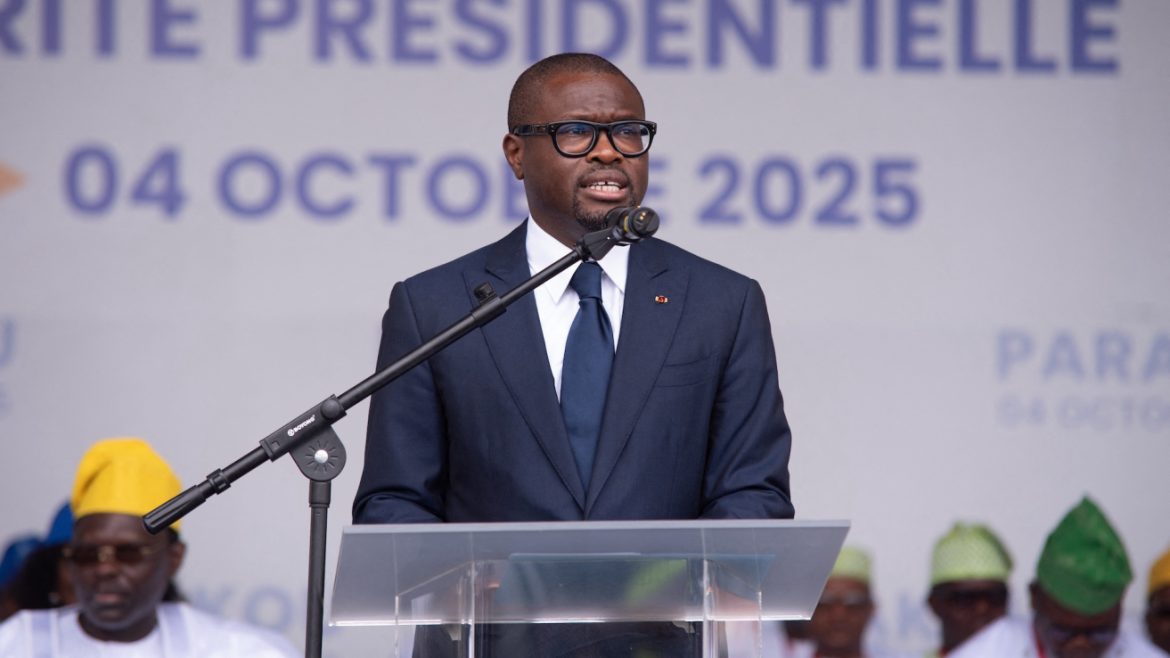
Benin’s newly inaugurated president, Romuald Wadagni, pledged to prioritize regional stability, economic cooperation and dialogue on Sunday as Nigerien Prime Minister Ali Mahamane Lamine Zeine attended his swearing-in ceremony in a move widely viewed as signalling a potential easing of tensions between Benin and the junta-led authorities in Niger after nearly two years of strained relations.
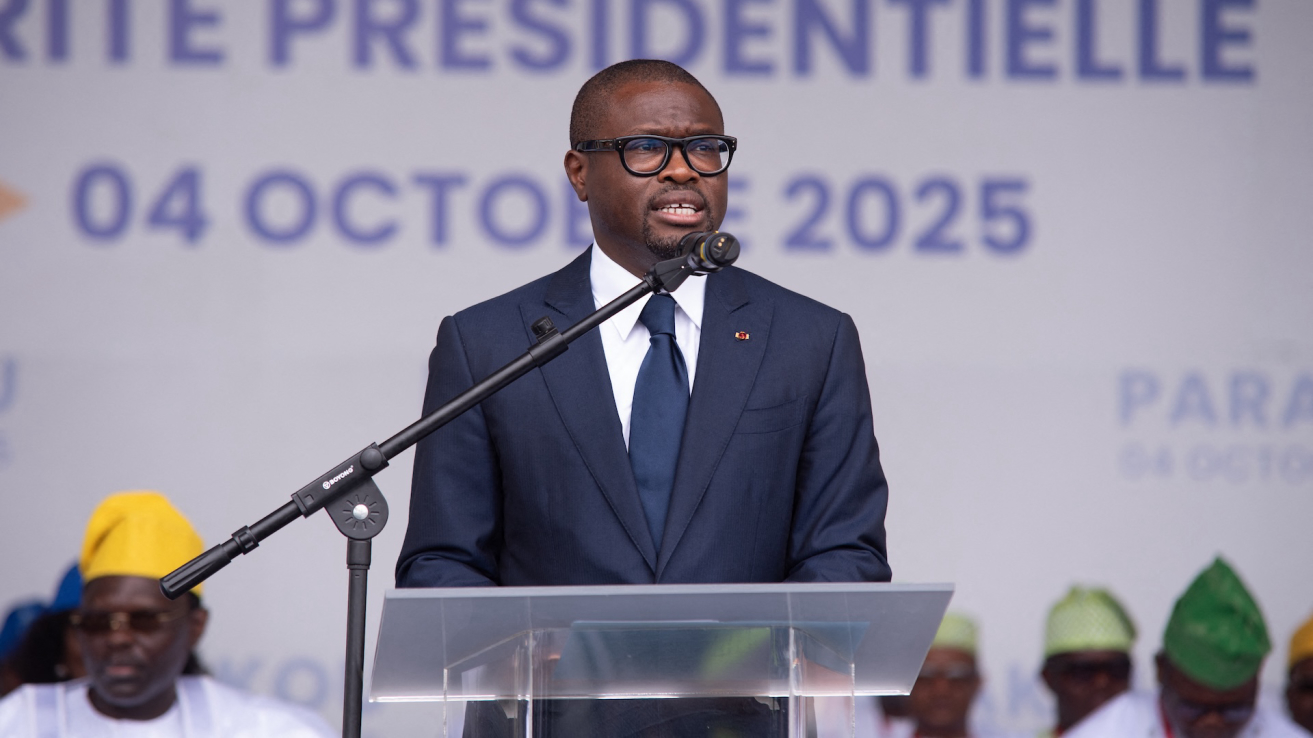 The presence of Zeine at the inauguration in Cotonou marked one of the clearest diplomatic engagements between the two neighbouring countries since relations deteriorated following the July 2023 military coup in Niger. Border restrictions, political disagreements and shifting regional alliances had sharply reduced cooperation between Benin and members of the Alliance of Sahel States (AES), the bloc formed by Niger, Mali and Burkina Faso after their break with ECOWAS.
Against a backdrop of mounting insecurity across the Sahel and Coastal West Africa, the ceremony highlighted growing recognition among regional governments that economic and security pressures are making renewed engagement increasingly necessary.
Speaking after the inauguration, Zeine described the visit as the beginning of a possible reopening of relations between the two countries. He stressed the importance of strengthening ties and rebuilding cooperation at a time when instability and economic disruption continue to affect trade, mobility and regional security.
Wadagni, a former finance minister credited with overseeing reforms that strengthened Benin’s fiscal position and sustained economic growth over the past decade, used his inaugural address to emphasise continuity, institutional stability and pragmatic diplomacy. He pledged to deepen cooperation with neighbouring states and reaffirmed Benin’s commitment to dialogue and regional engagement.
The diplomatic signals come as West Africa faces one of its most fragmented political periods in decades. Since the wave of military takeovers across the Sahel, relations between ECOWAS members and the AES bloc have become increasingly strained, affecting trade corridors, regional energy cooperation and collective security coordination.
Benin, traditionally viewed as one of West Africa’s more stable economies, has also faced growing security challenges along its northern border, where attacks linked to jihadist groups affiliated with Al-Qaeda have intensified in recent years. According to regional security analysts, the expansion of militant activity from the Sahel into Coastal West Africa has increased pressure on neighbouring states to maintain channels of communication regardless of political differences.
For Niger, maintaining access to regional trade routes and coastal infrastructure remains strategically important. Benin hosts one of the principal export corridors used by Niger, particularly through the Port of Cotonou, which has historically served as a key outlet for fuel imports and commercial trade into the landlocked Sahel state.
The deterioration in bilateral relations following the coup disrupted cross-border commerce and contributed to wider economic uncertainty in the region. According to regional economic observers, prolonged political divisions within West Africa risk undermining investment confidence, slowing trade integration and weakening already fragile supply chains at a time when inflation and food insecurity remain elevated across much of the continent.
Wadagni’s economic background is likely to shape expectations around his approach to regional diplomacy. During his tenure as finance minister under former President Patrice Talon, Benin pursued infrastructure expansion, fiscal reforms and investment-focused policies aimed at strengthening economic resilience. Analysts say maintaining stable relations with neighbouring countries will remain critical to preserving trade flows and investor confidence.
The inauguration also reflects a broader shift toward pragmatic engagement within parts of West Africa, where governments increasingly face pressure to balance political positioning with economic realities. According to regional policy experts, security threats, rising public debt and weakening external financing conditions are pushing African states toward more transactional and cooperative regional relationships despite ideological and diplomatic disagreements.
While Zeine’s visit does not necessarily signal a full normalization of relations between Benin and Niger, it suggests both sides recognise the practical costs of prolonged estrangement. Cross-border trade, transport systems and regional security coordination remain deeply interconnected across West Africa, particularly in countries confronting overlapping challenges linked to insurgency, inflation and energy pressures.
The reopening of diplomatic channels may also carry implications for ECOWAS, which continues to navigate tensions with the AES bloc after sanctions and political disputes following the Sahel coups reshaped regional alliances. Although significant divisions remain, renewed bilateral engagement between neighbouring states could help reduce economic disruptions that have affected communities and businesses across the region.

For Benin, the challenge under Wadagni will be maintaining domestic economic stability while navigating an increasingly fragmented geopolitical environment. For Niger and its Sahel allies, re-engagement with Coastal neighbours may prove necessary as insecurity and fiscal pressures intensify.
Sunday’s ceremony in Cotonou ultimately underscored how regional diplomacy in West Africa is increasingly being driven less by political symbolism and more by the practical demands of economic resilience, security coordination and cross-border stability.


