


Libya has taken a significant step towards strengthening biodiversity conservation and environmental governance after the International Union for Conservation of Nature (IUCN), working with its Libyan National Committee, launched a five-year cooperation roadmap aimed at protecting the country’s ecosystems, enhancing institutional capacity and improving conservation management between 2026 and 2030. The initiative, announced following a high-level virtual meeting involving Libya’s Ministry of Environment, the IUCN and national conservation organisations, seeks to align national environmental priorities with international conservation standards while reinforcing Libya’s contribution to regional sustainability efforts.
The roadmap establishes a comprehensive framework for technical cooperation between Libyan institutions and the IUCN Centre for Mediterranean Cooperation, bringing together four Libyan environmental organisations affiliated with the IUCN National Committee. Through coordinated technical assistance, knowledge exchange and institutional partnerships, the programme aims to strengthen the country’s ability to conserve biodiversity while improving governance systems that underpin long-term environmental management.
The initiative comes at a time when biodiversity conservation is becoming an increasingly important component of sustainable development across Africa. According to the International Union for Conservation of Nature, ecosystem degradation, habitat loss, desertification and climate change continue to place growing pressure on natural resources across North Africa, threatening biodiversity, food security, water availability and rural livelihoods.
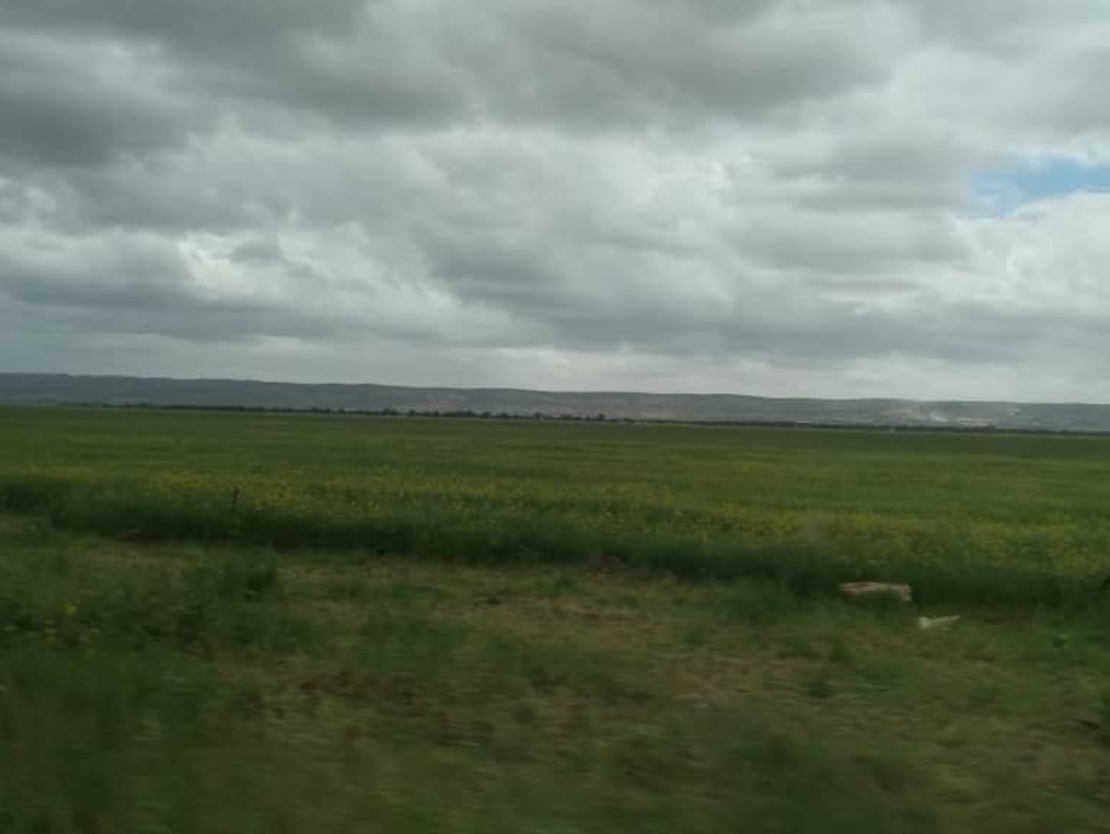
Libya’s diverse landscapes including Mediterranean coastal ecosystems, mountain ranges, wetlands, deserts and rangelands host unique flora and fauna that contribute to ecological stability while supporting local communities. However, years of environmental degradation, land-use pressures and climate variability have heightened the need for stronger conservation planning and more effective environmental governance.
Under the new cooperation framework, participating institutions have committed to developing a National Environmental Strategy and Action Plan for 2027–2030, which will provide the policy foundation for future biodiversity programmes and conservation investments. According to the IUCN, the strategy will establish national programmes focused on protecting priority ecosystems and threatened species while promoting science-based environmental management and strengthening institutional coordination among government agencies, research institutions and civil society organisations.
The roadmap places particular emphasis on safeguarding vulnerable ecosystems and species that are considered nationally significant. Among the priority conservation actions identified are programmes to protect the Egyptian tortoise, one of North Africa’s most threatened reptile species, alongside measures to conserve Libya’s fragile rangelands, which support pastoral livelihoods and biodiversity while helping to combat desertification.
Environmental experts note that conserving rangelands is becoming increasingly important across the Sahel and North Africa as climate change accelerates land degradation, reduces vegetation cover and increases pressure on water resources. According to the United Nations Convention to Combat Desertification (UNCCD), sustainable land management has become a critical component of climate adaptation strategies across Africa, where degraded land continues to undermine agricultural productivity and ecosystem resilience.
The roadmap also prioritises strengthening environmental institutions through extensive training and capacity-building programmes. These initiatives will equip environmental professionals, conservation practitioners and government officials with modern technical skills in biodiversity management, protected area governance, ecological monitoring and conservation planning.
Improving institutional capacity is expected to enhance Libya’s ability to design, implement and evaluate biodiversity programmes while strengthening evidence-based policymaking. A central feature of the initiative is the planned introduction of the IUCN Green List Standard across Libya’s protected areas. The Green List is an internationally recognised benchmark that promotes effective, equitable and well-managed protected areas through measurable performance standards covering governance, conservation outcomes and stakeholder engagement.
By adopting the standard, Libya aims to improve management effectiveness across its protected area network while aligning conservation practices with internationally recognised environmental governance principles. The roadmap also seeks to encourage greater participation by young professionals, researchers and national conservation experts. According to the participating organisations, expanding youth engagement is essential to ensuring long-term environmental stewardship while strengthening local ownership of biodiversity conservation programmes.
Building domestic expertise is expected to reduce dependence on external technical support while fostering a new generation of environmental leaders capable of responding to increasingly complex ecological challenges. The partners have agreed to convene a follow-up coordination meeting in early 2027 to assess implementation progress, strengthen collaboration and review achievements against agreed milestones. Regular monitoring and evaluation mechanisms are expected to support accountability while enabling institutions to adapt conservation programmes as environmental conditions evolve.
For Africa, Libya’s new conservation roadmap reflects a broader continental shift towards integrating biodiversity protection into national development planning. According to the African Union’s Agenda 2063, protecting natural capital is increasingly recognised as fundamental to achieving sustainable economic growth, climate resilience and food security. Healthy ecosystems provide essential services including water regulation, soil conservation, carbon storage and biodiversity, all of which underpin agricultural productivity and rural livelihoods.
Across North Africa, countries are also strengthening regional cooperation on biodiversity conservation through initiatives linked to the Mediterranean basin, recognising that ecosystems and wildlife often extend beyond national borders and require coordinated management approaches. The roadmap’s emphasis on institutional strengthening, science-based conservation and international cooperation mirrors wider global efforts to implement the Kunming-Montreal Global Biodiversity Framework, which calls for stronger protection of ecosystems, restoration of degraded landscapes and enhanced financing for biodiversity conservation.
Environmental governance is also becoming increasingly important from an economic perspective. According to the United Nations Environment Programme (UNEP), ecosystem degradation imposes growing costs on national economies through declining agricultural productivity, increased disaster risks, biodiversity loss and reduced resilience to climate change. Investing in ecosystem protection therefore supports not only environmental objectives but also economic stability, public health and long-term development. For Libya, strengthening conservation governance could also support sustainable tourism opportunities, improve land management and reinforce climate adaptation strategies as environmental pressures continue to intensify across the region.
The partnership between the IUCN and Libya demonstrates how collaboration between governments, scientific institutions and civil society can strengthen national conservation systems while advancing regional sustainability objectives. As African countries increasingly seek to integrate biodiversity conservation into broader economic planning, initiatives such as Libya’s five-year roadmap illustrate how protecting ecosystems, strengthening institutions and investing in local expertise can contribute to more resilient economies and healthier natural environments. The programme also reinforces the growing recognition that effective environmental governance is becoming an essential pillar of sustainable development across the continent.


