


Senegal’s National Assembly is preparing for a politically sensitive debate over whether former Prime Minister Ousmane Sonko can reclaim his parliamentary seat after leaving government, a dispute that is rapidly evolving into a broader constitutional test for one of West Africa’s most closely watched democracies. The deliberations, expected during a plenary session in Dakar this week, come as the ruling PASTEF coalition consolidates its dominance following its sweeping legislative victory in November 2024, raising questions about institutional balance, constitutional interpretation and the future distribution of political power in the country.
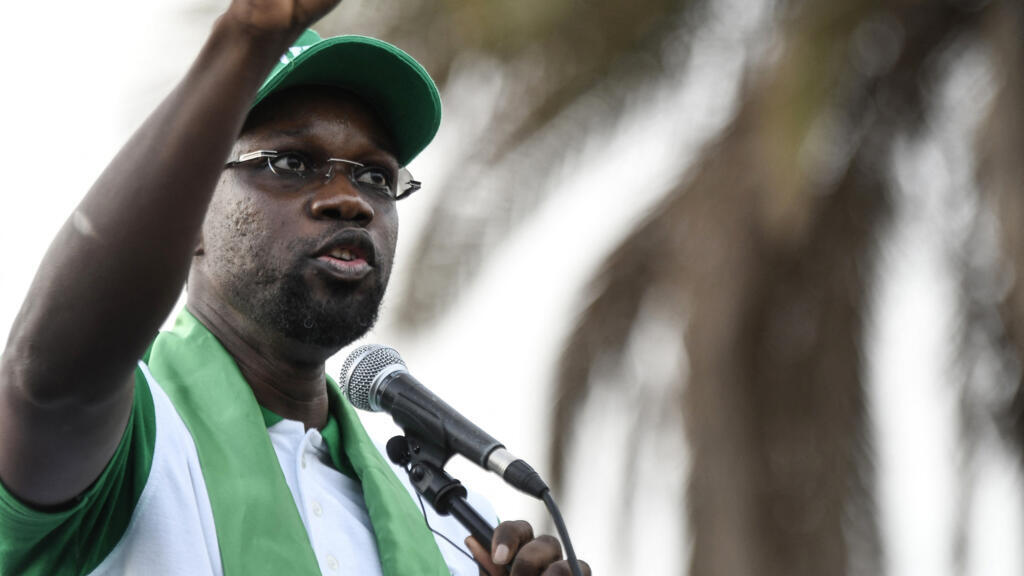 At the centre of the dispute is Article 54 of Senegal’s Constitution, which states that government office is incompatible with a parliamentary mandate or any remunerated professional activity. Opposition parties and several constitutional scholars argue that Sonko forfeited his legislative mandate once he entered government and therefore cannot automatically return to parliament after exiting the executive branch.
Supporters of the former Prime Minister reject that interpretation, maintaining that the constitutional restriction applies only to the simultaneous exercise of both functions rather than the permanent loss of an elected mandate. They further argue that Sonko’s election to parliament had already been validated by the Constitutional Council and was never formally contested within the legal timeframe provided under Senegalese electoral law.
The dispute has intensified following the appointment of a new Prime Minister, which formally ended Sonko’s tenure in government and reopened debate over his political future. Within the ruling PASTEF movement, speculation has grown that Sonko could seek not only reinstatement as a legislator but potentially the Presidency of the National Assembly itself, particularly after indications that parliamentary speaker El Malick Ndiaye may step down.
The case is emerging as one of the first major institutional stress tests since PASTEF secured 130 out of 165 parliamentary seats, giving the governing coalition substantial influence over legislative processes and constitutional debates. According to analysts, the outcome may shape how executive-legislative relations are interpreted in Senegal for years to come, particularly in a political environment where the ruling party enjoys overwhelming parliamentary control.
For investors and regional observers, the dispute carries implications beyond domestic politics. Senegal has traditionally been regarded as one of West Africa’s more stable institutional democracies, a reputation that has supported investor confidence across sectors including energy, infrastructure and financial services. The country is simultaneously navigating major economic transitions linked to offshore oil and gas production, fiscal reforms and rising expectations around employment and public services.
Political uncertainty or perceptions of institutional overreach could affect how international partners, lenders and markets assess governance predictability in the country. According to regional governance analysts, constitutional disputes that appear politically driven can influence sovereign risk perceptions, particularly at a time when several West African states are already confronting democratic backsliding, military-led transitions and institutional fragility.
The debate also reflects a broader continental trend in which constitutional interpretation is increasingly becoming a focal point of political contestation. Across Africa, courts, parliaments and constitutional councils are playing a more visible role in disputes over executive power, succession and institutional legitimacy. In Senegal’s case, the dispute arrives after years of heightened political tensions surrounding Sonko, whose confrontations with the previous administration triggered protests, economic disruptions and periodic unrest before PASTEF’s eventual electoral breakthrough.
Supporters of Sonko argue that allowing his parliamentary return would reinforce electoral legitimacy and reflect the will of voters who overwhelmingly backed the ruling movement. Critics, however, warn that altering or stretching constitutional interpretation for political convenience risks weakening institutional safeguards that underpin democratic governance.
 The outcome of the parliamentary session may therefore carry significance beyond Sonko’s personal political trajectory. It could help define how Senegal balances executive authority, parliamentary dominance and constitutional accountability during a period of political transition and heightened public scrutiny.
As lawmakers prepare for debate, attention is increasingly focused on whether Senegal’s institutions can manage the dispute through legal clarity and procedural credibility, preserving the stability that has long distinguished the country within a region facing mounting political and security pressures.


